Material Letter Making: Using Personal Environment and Tactile Making to Inform Graphic Design Practice
Research Question
How do memory and self-reflection operate as foundations of graphic design practice, and what becomes possible when designers are given the space and tools to consciously engage with them?
Graphic design history is primarily composed of the archiving and documentation of final products, rather than the context surrounding why and how the artifact was made (Toppins, 2021). This has established a hierarchy in which artifacts are prioritized over the designer, erasing a human quality that is often valued in the fine arts. This project explores what shifts in the design process when standardized methods are replaced by a reflective approach—one that resists systemization, embraces nonconformist thinking, and centers the designer’s lived experience as legitimate source material.
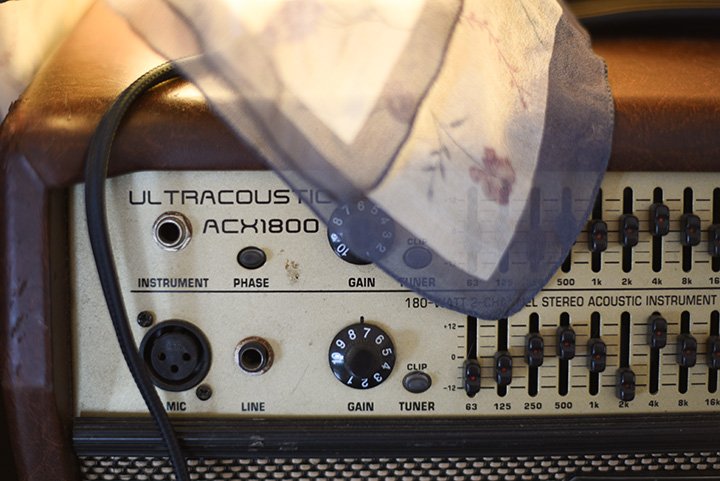
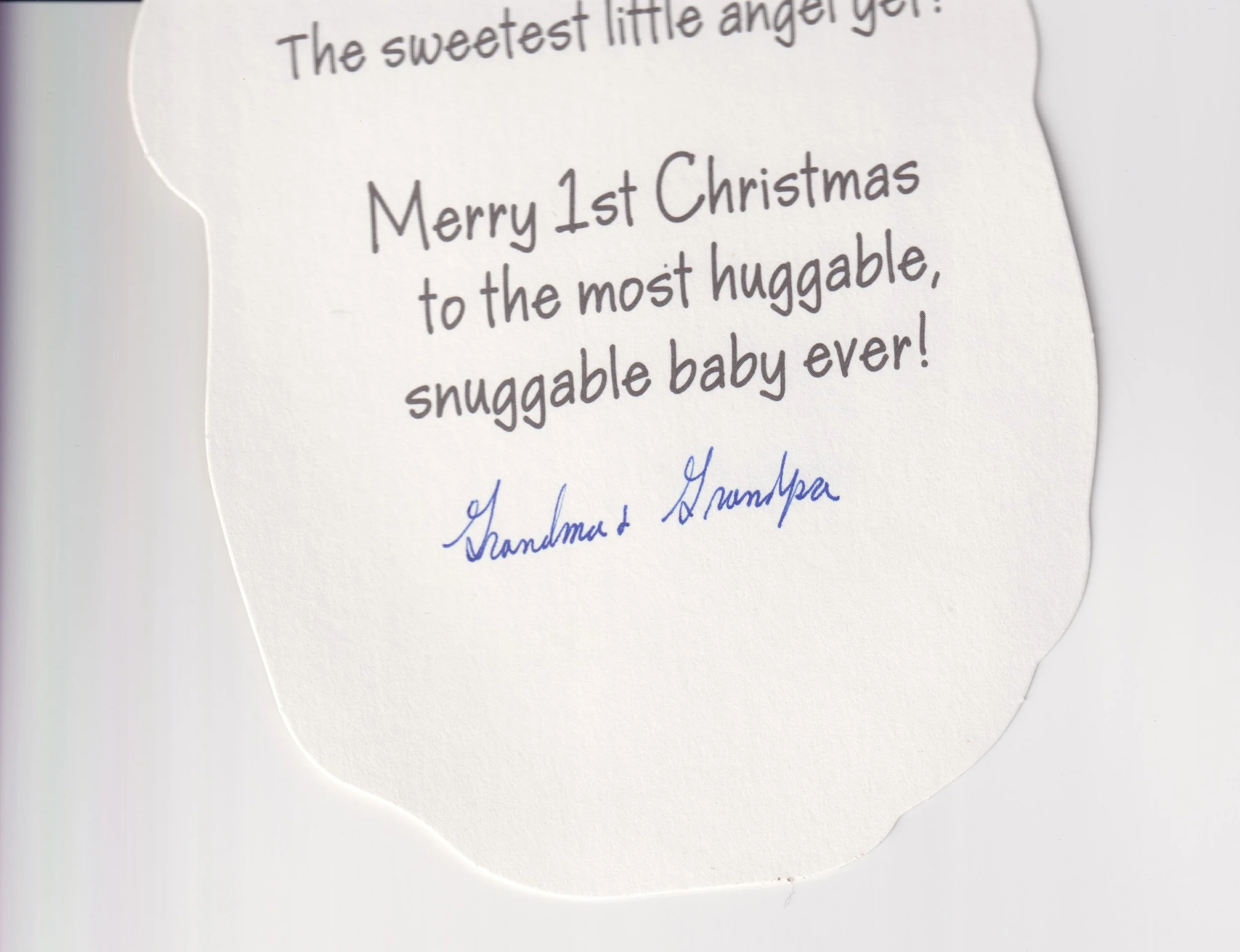
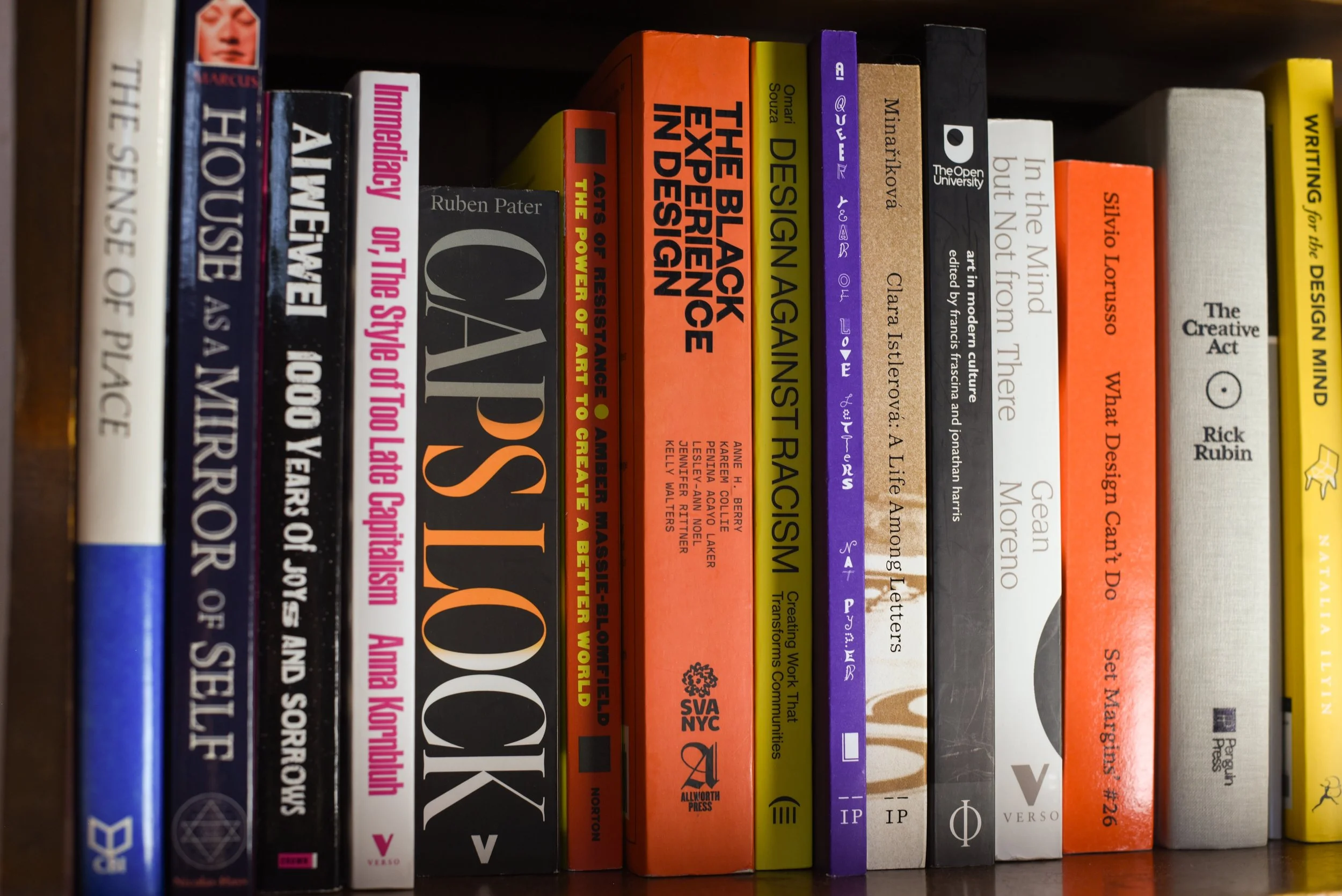
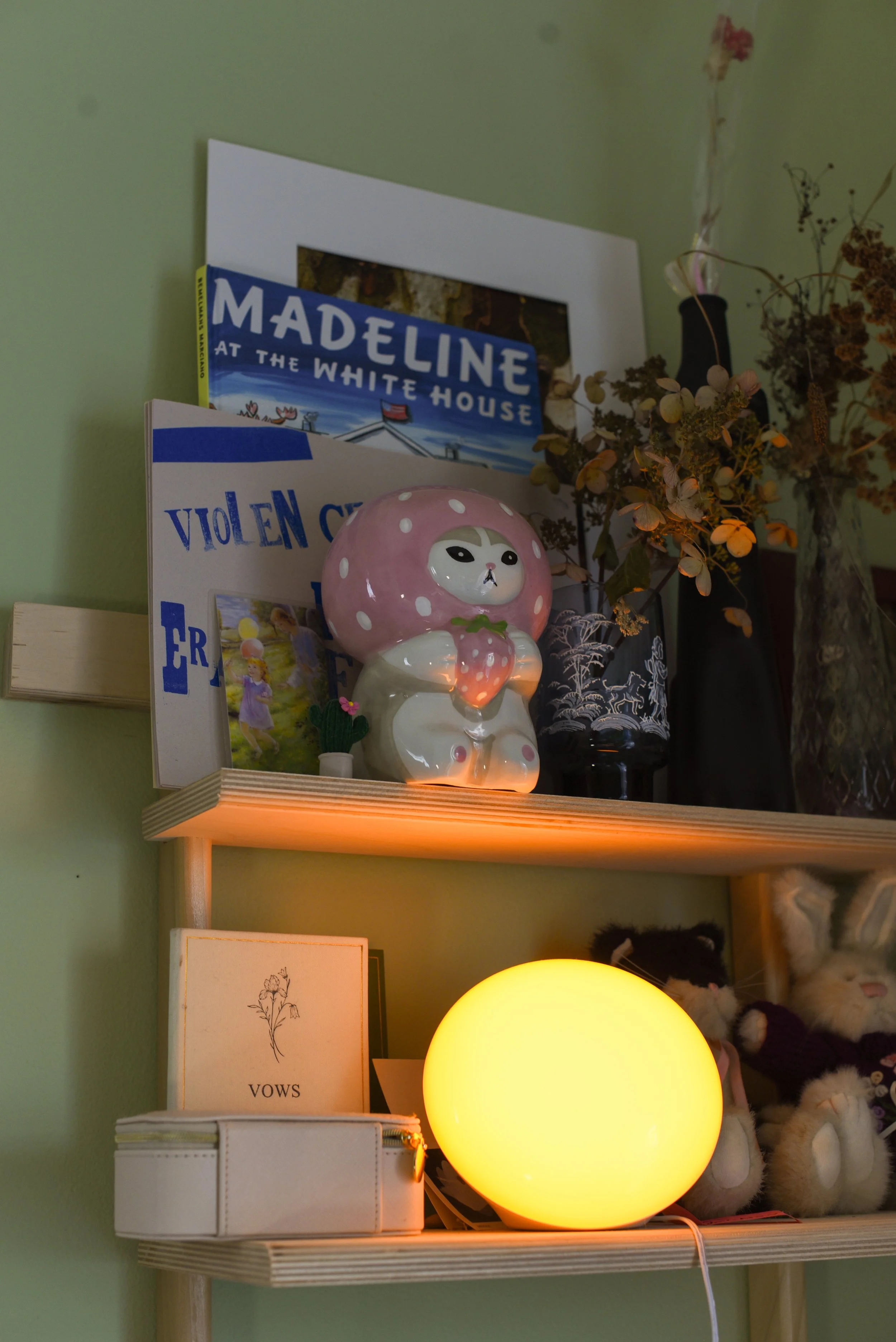
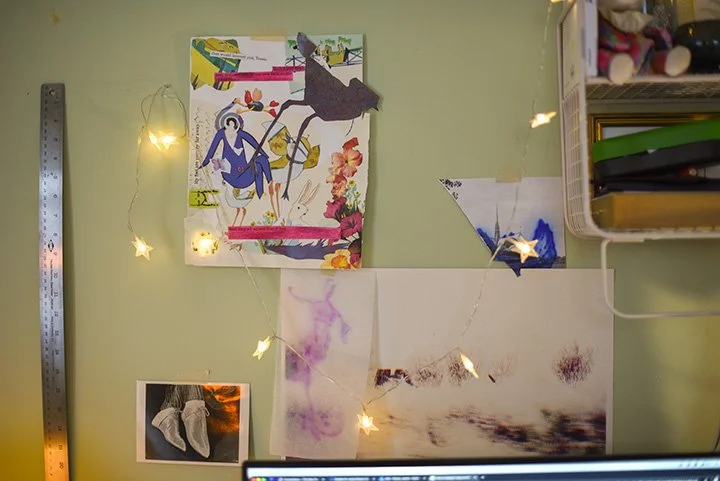
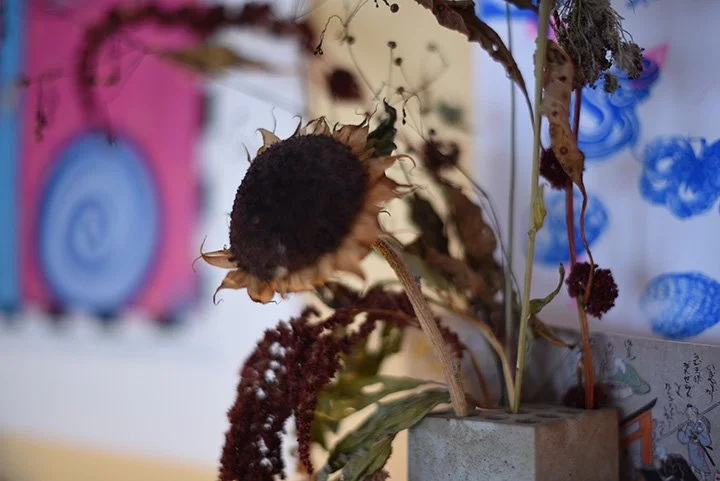
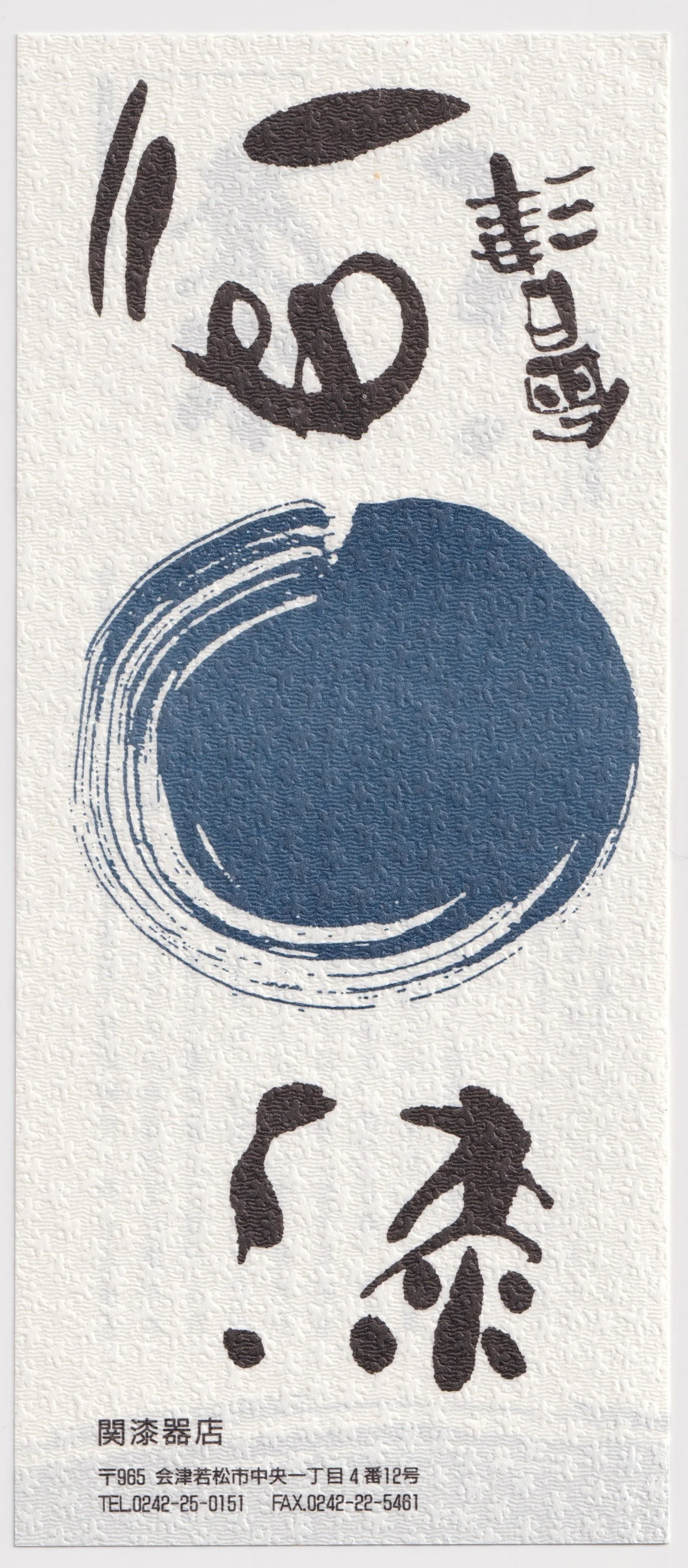
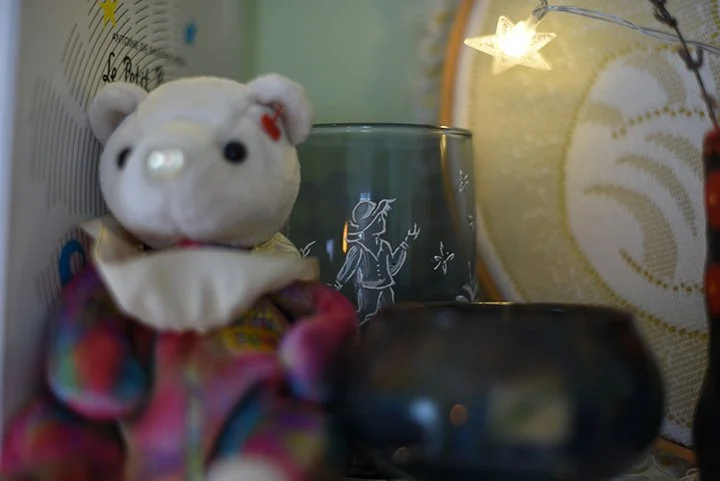
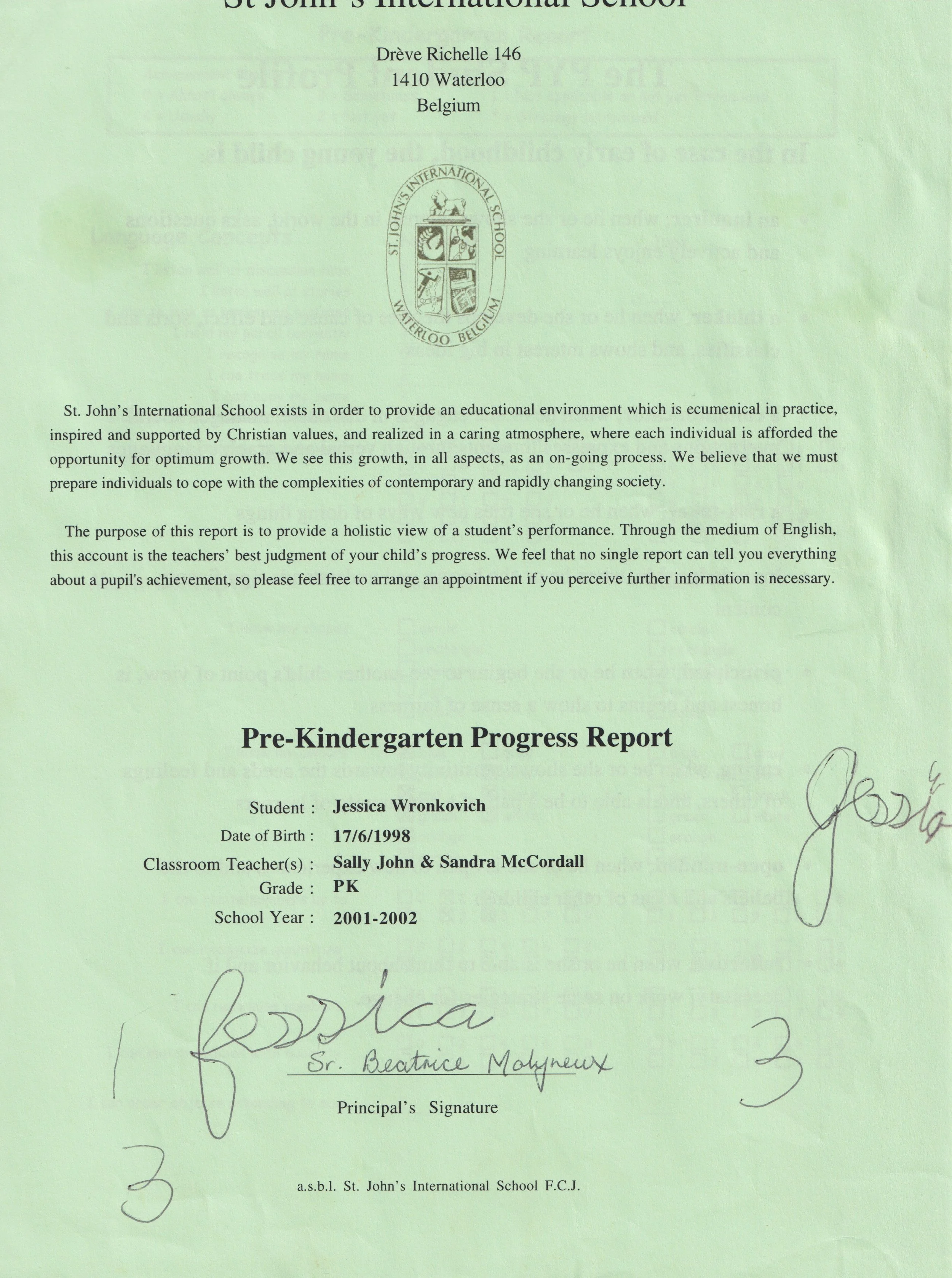
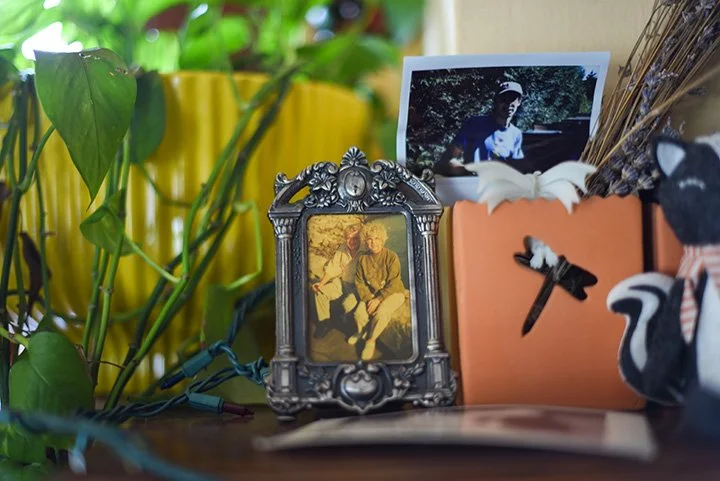
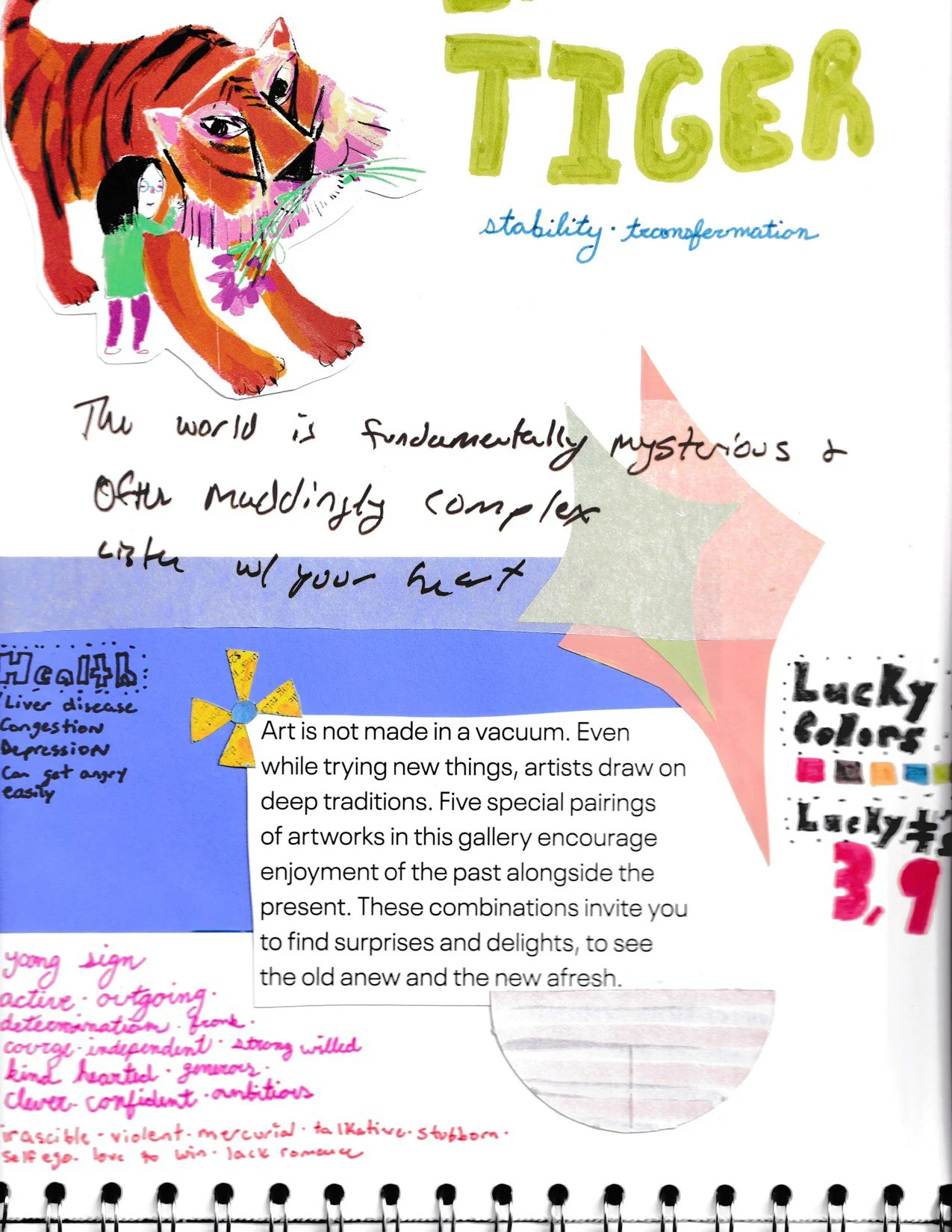
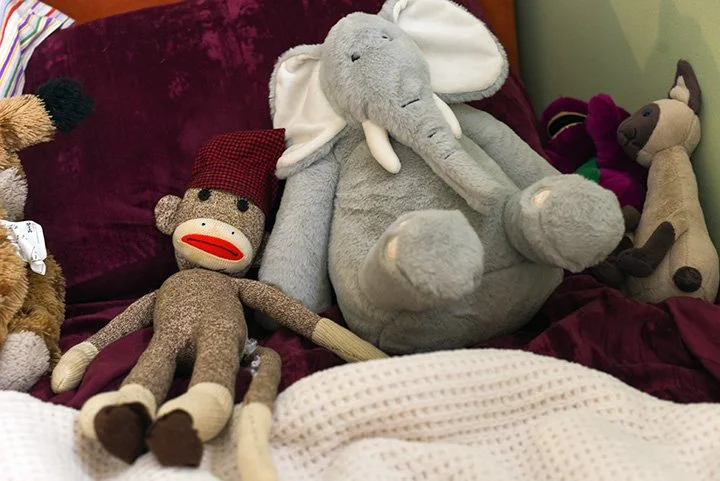
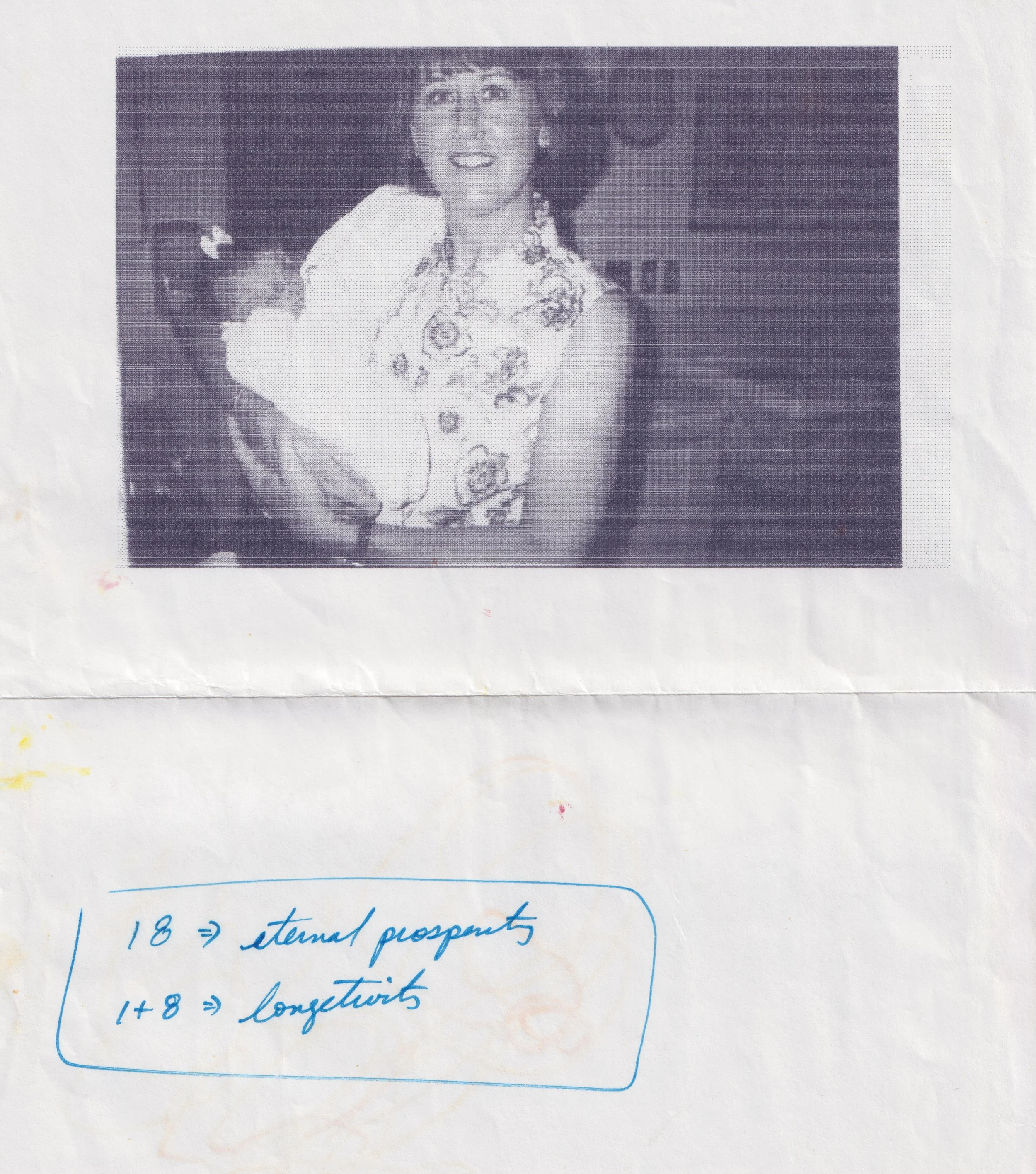
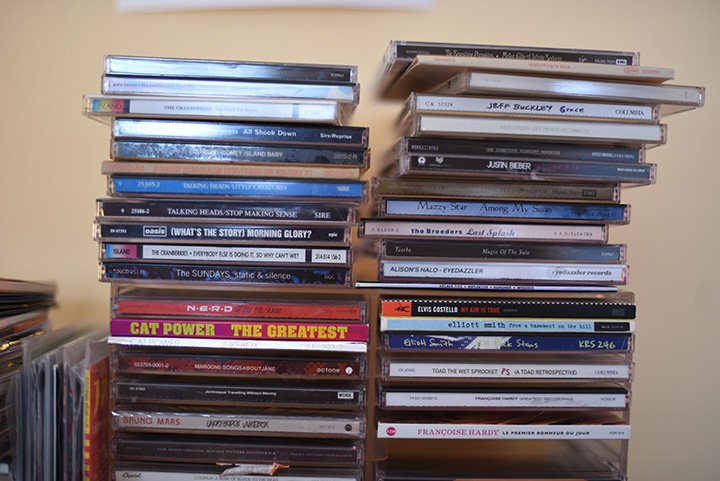
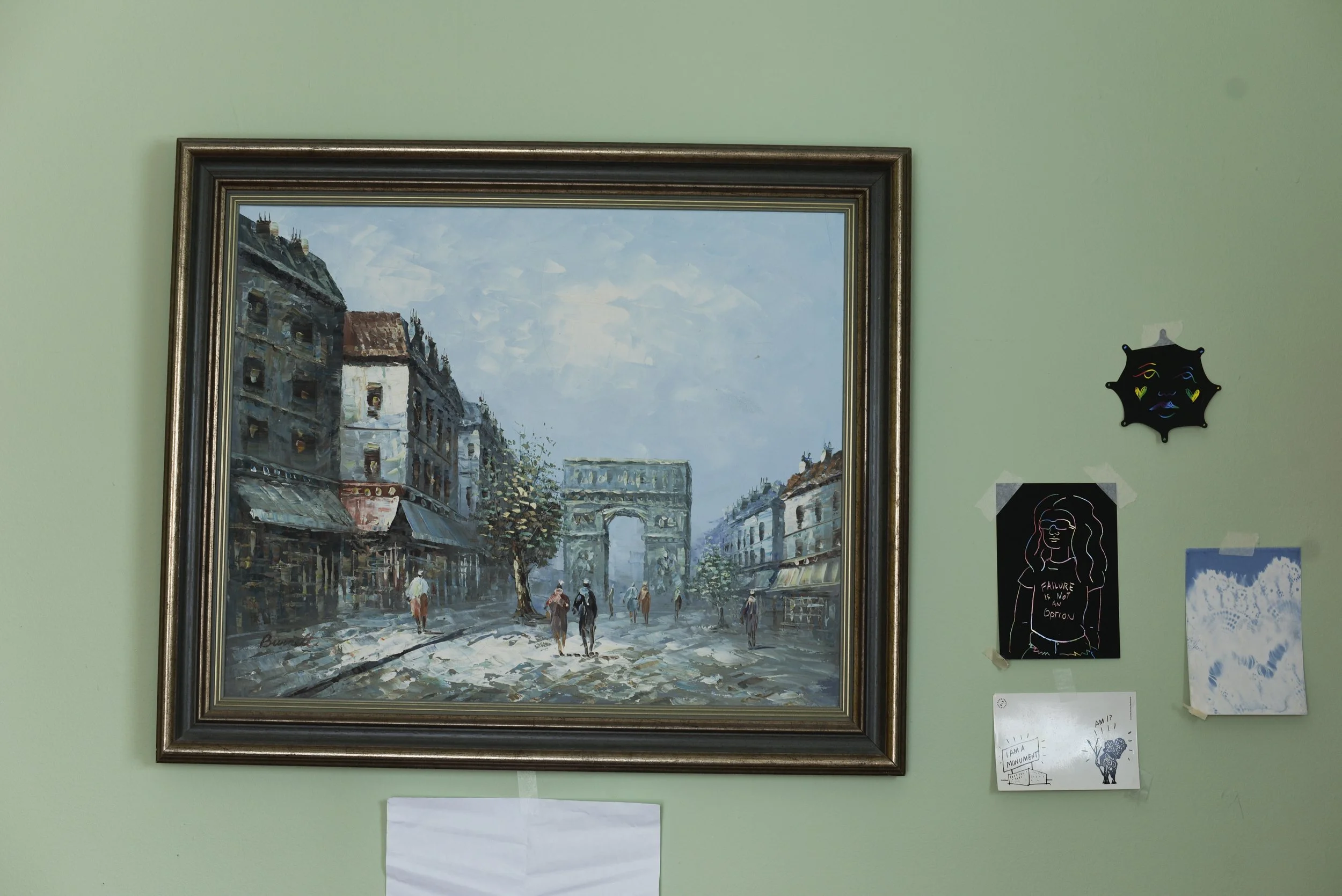
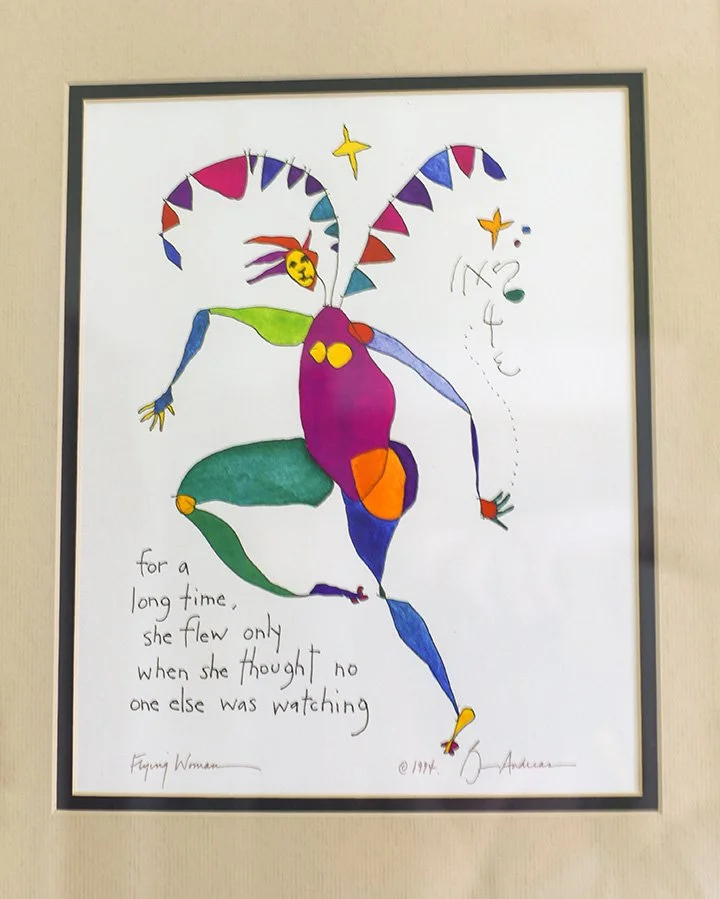
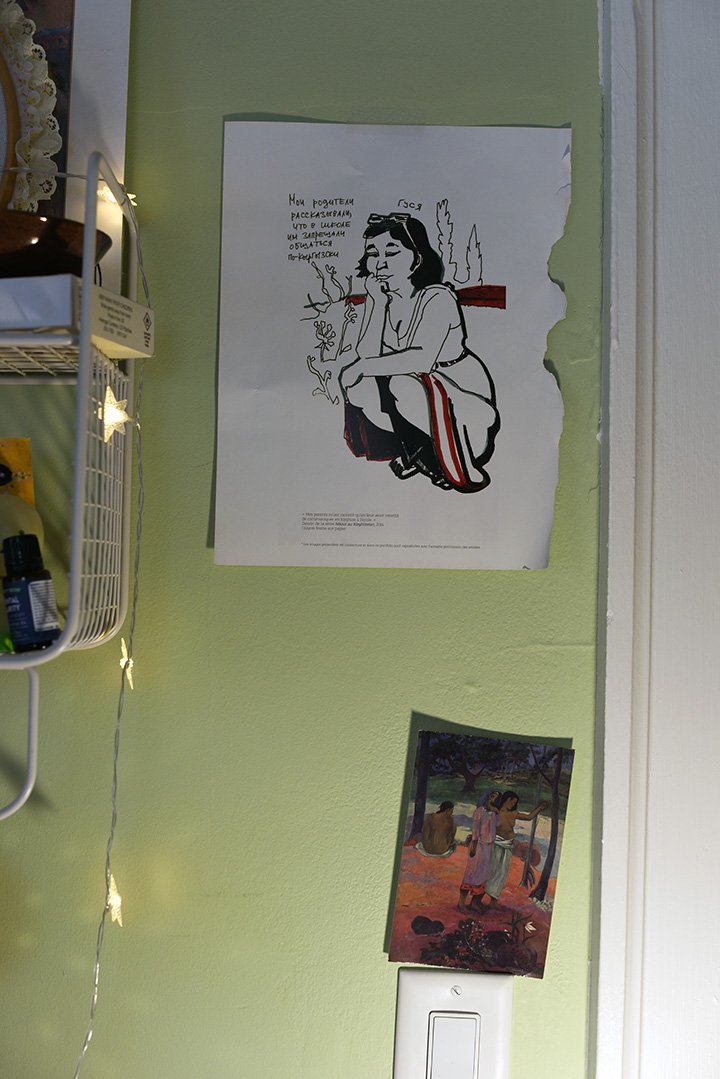
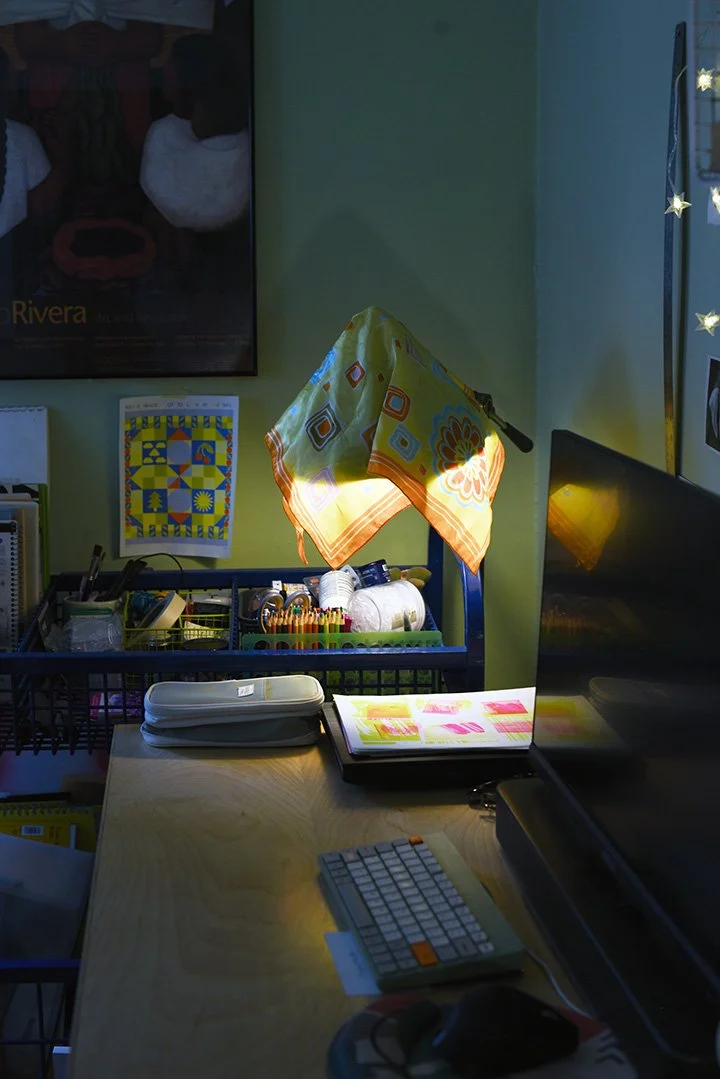
Building on Donald Schön's The Reflective Practitioner and Michael Polanyi's concept of Tacit Knowledge—the knowledge we acquire from lived experience but cannot easily articulate—I examine what it means to use my own environment as primary source material. By photographing my collections, the artwork on my walls, and the art supplies constantly being thrown around, I created a personal archive of source material that is rooted in who I am.
Research Question
What happens when we allow designers to treat their own situated life as legitimate design material?
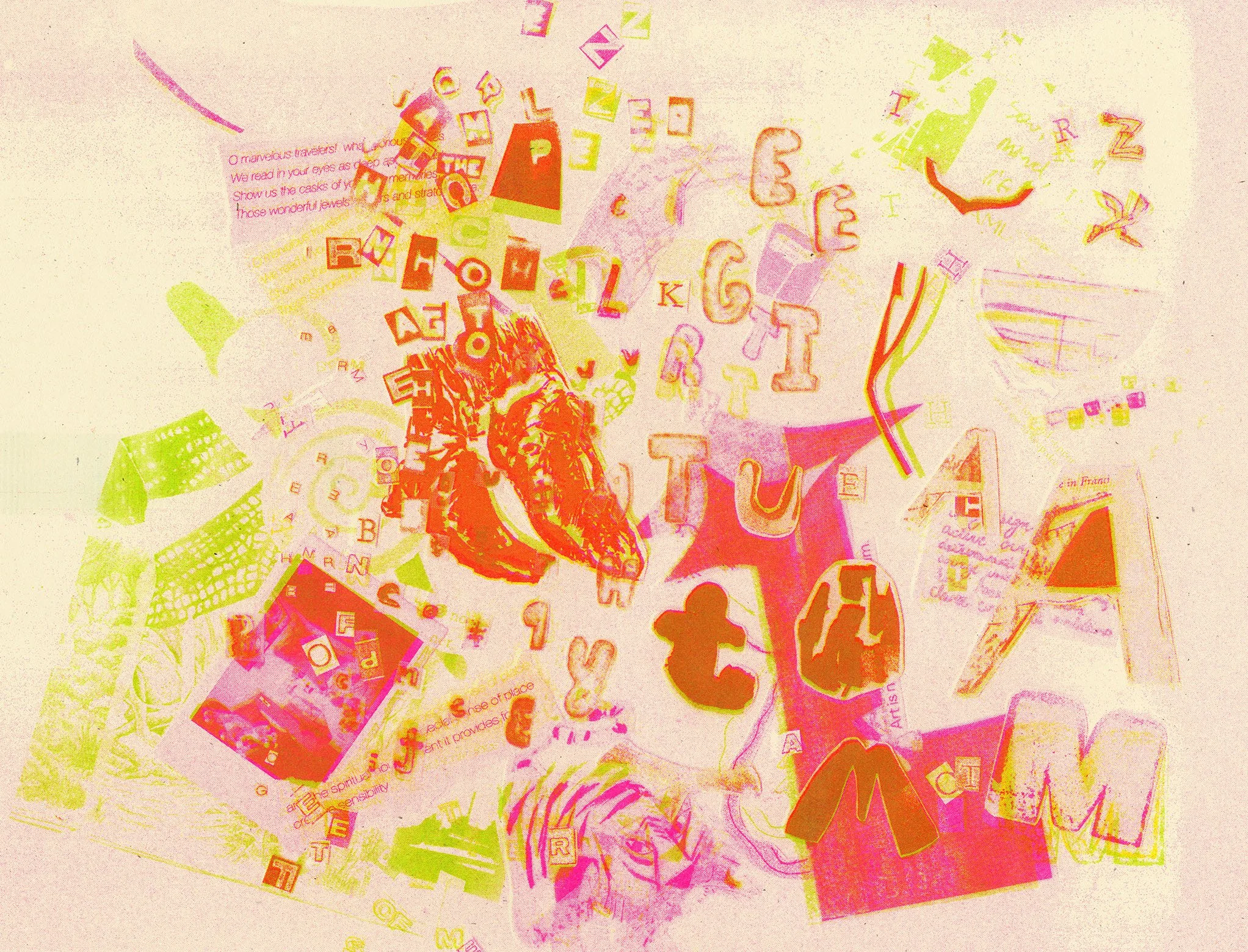
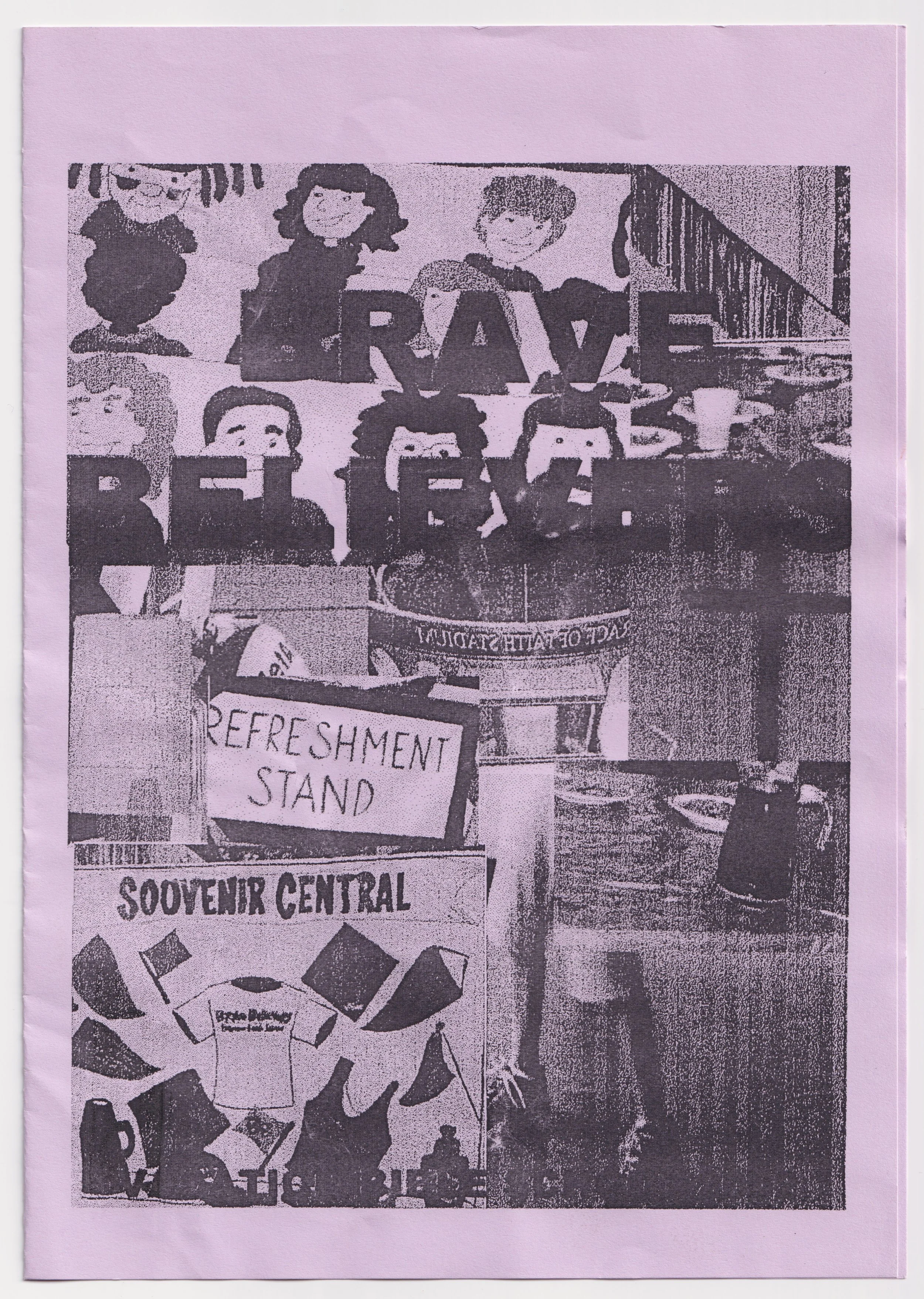
Taking inspiration from Cal Newport's Slow Productivity, slow tactile processes of critical making allowed moments of reflection to seep in, creating room to embrace mistakes or unexpected results from my chosen tools: an inkjet printer, camera, scanner bed, X-Acto knife, and a risograph printer. The process involved hand-cutting letterforms from printed photographs of my home, then loosely arranging them on the scanner bed and allowing spontaneous movement to take place—producing a collection of letterforms that captures the ever-shifting state of the space I inhabit.
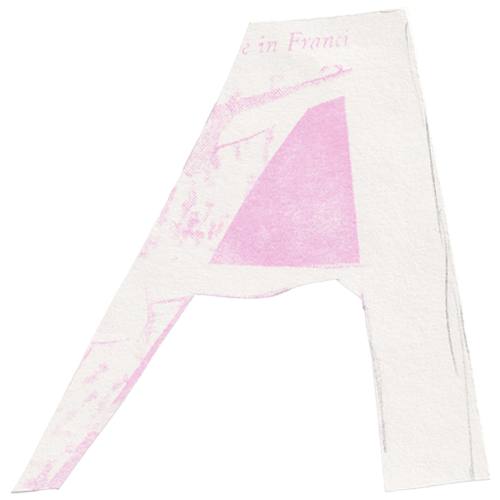
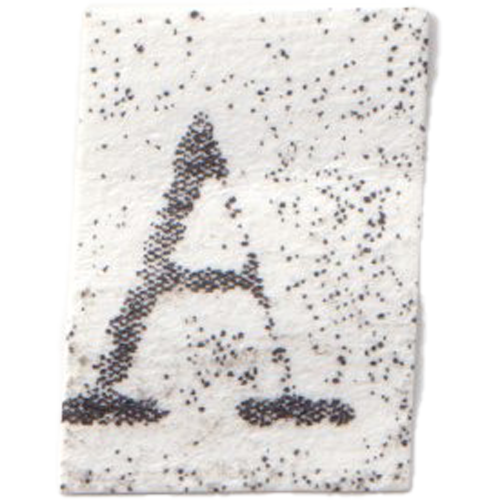
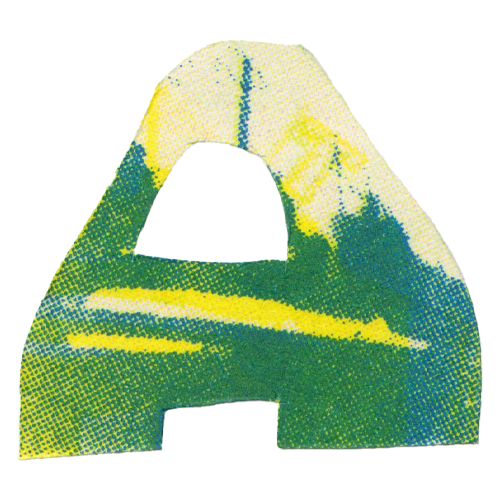
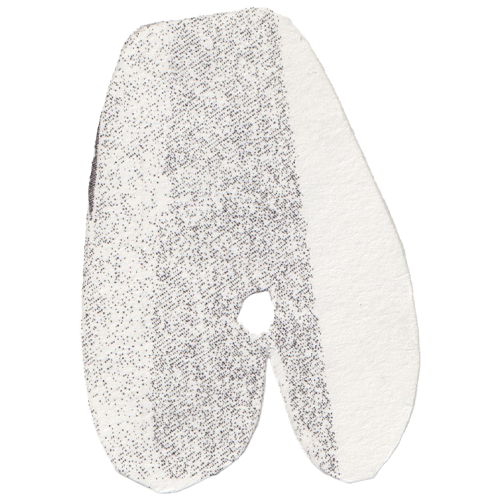
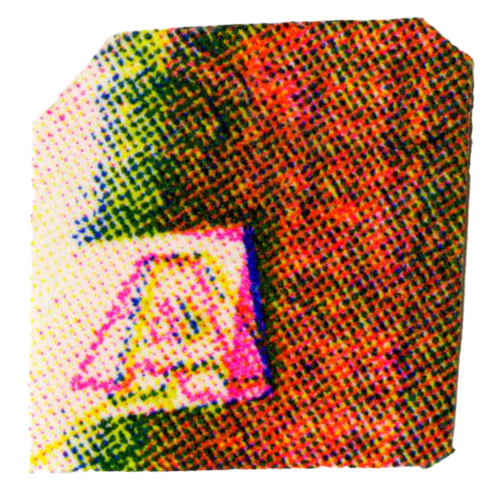
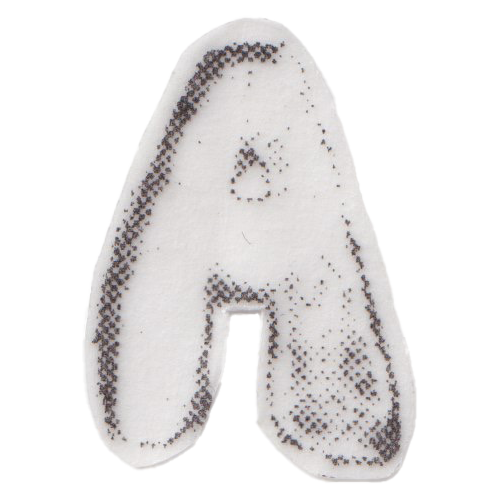
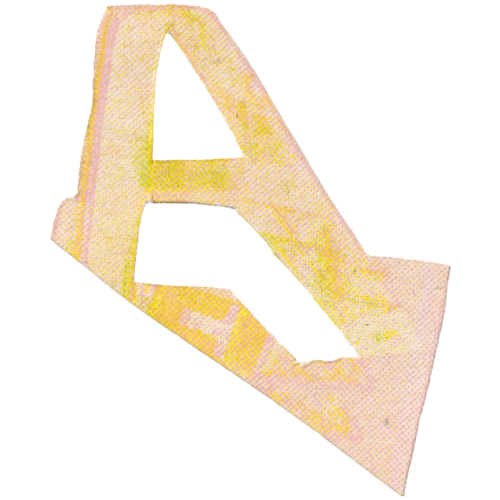
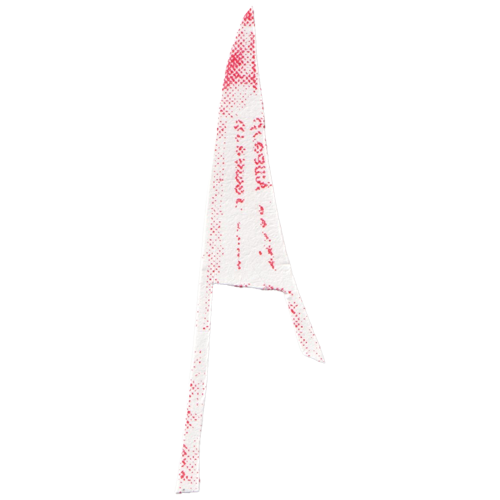
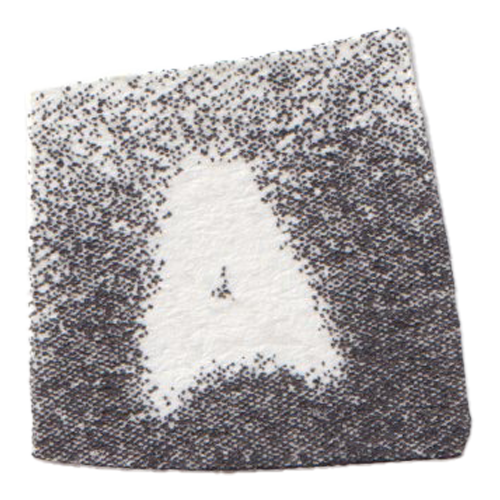
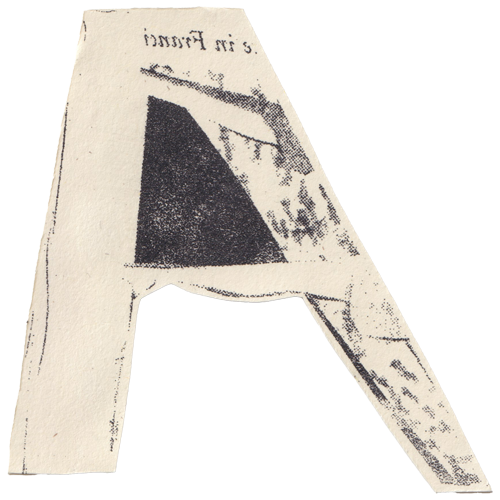
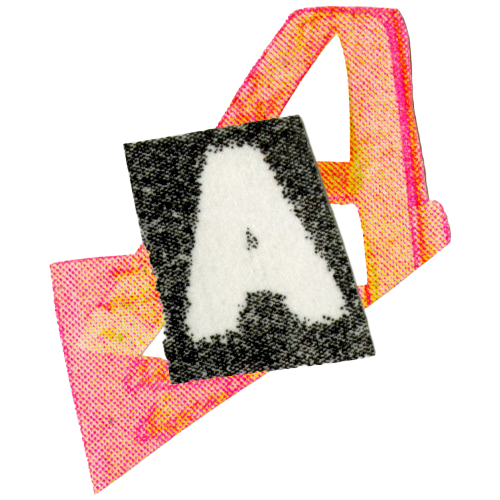
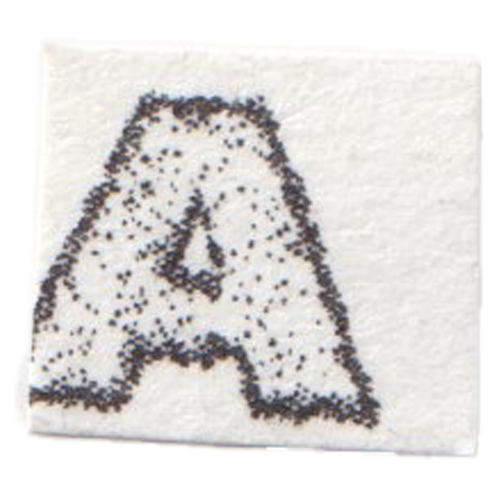
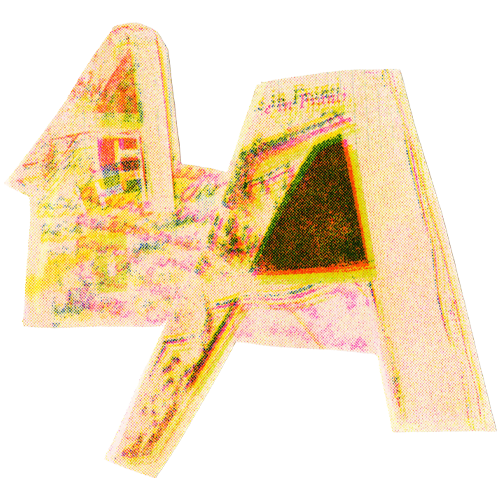
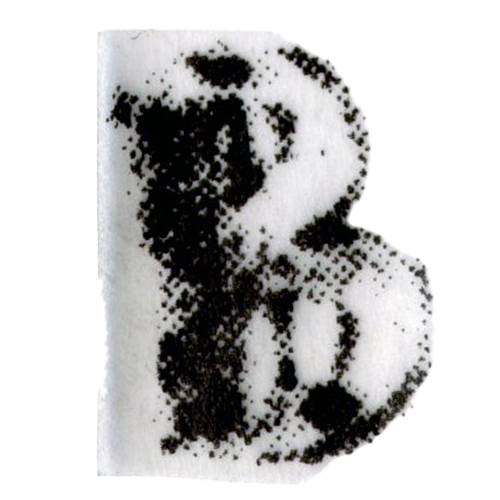
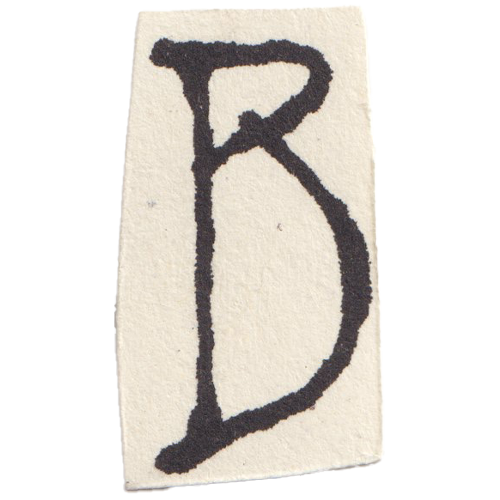
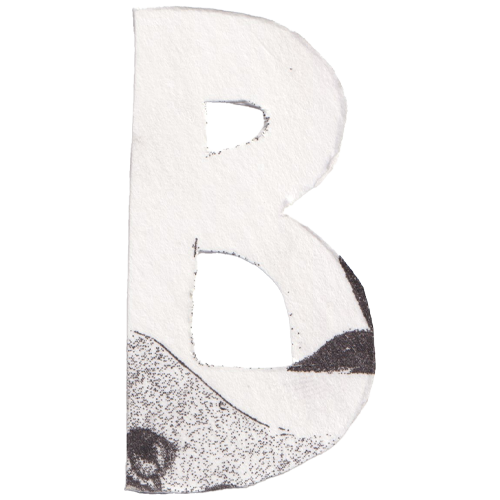
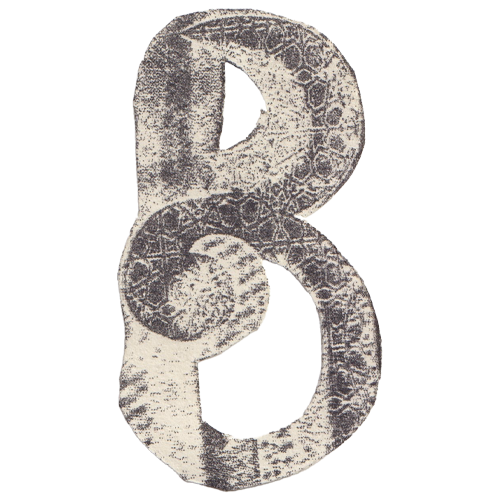
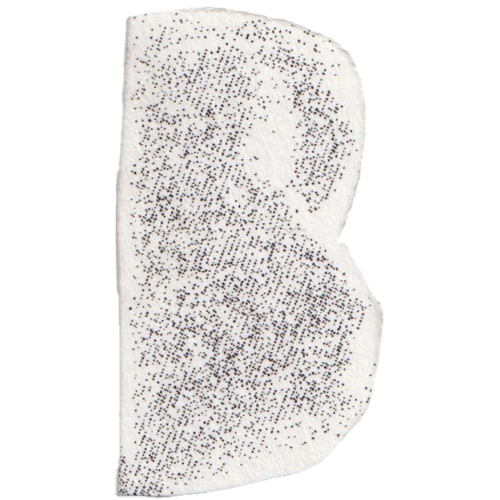
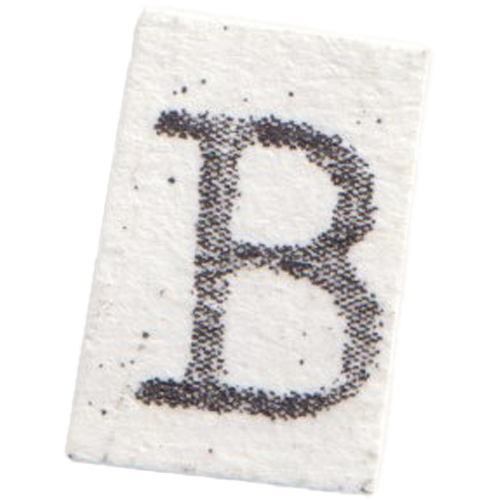
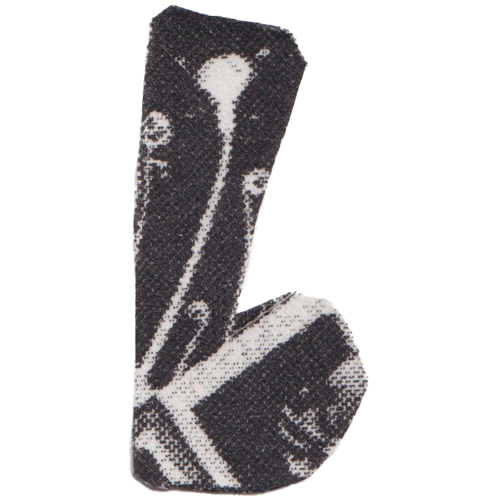
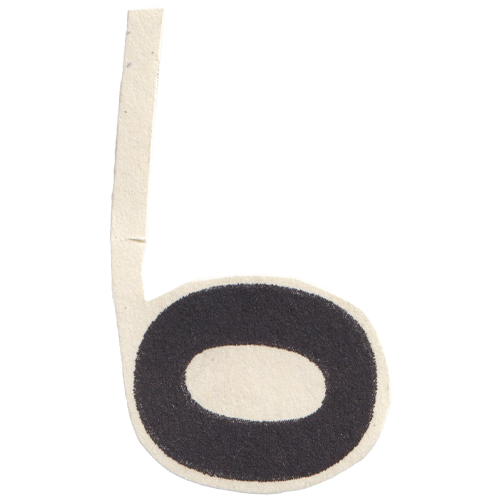
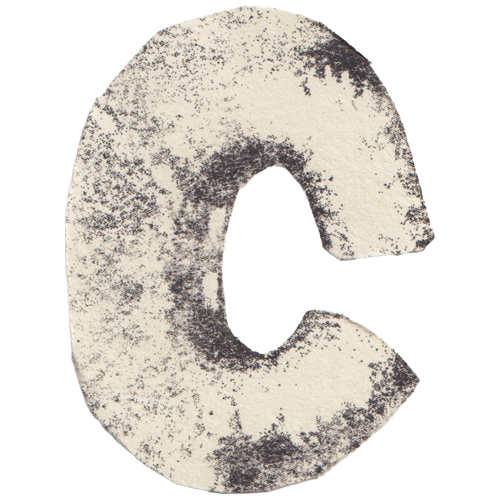
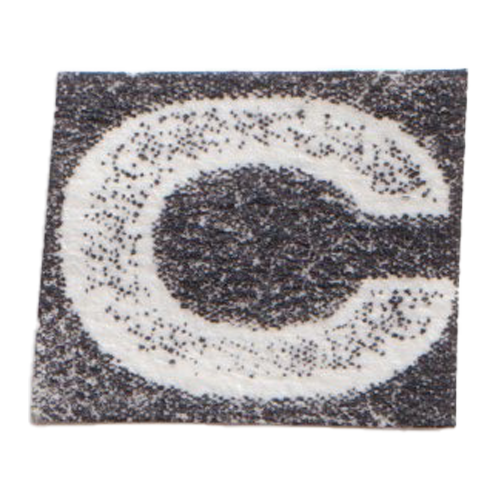
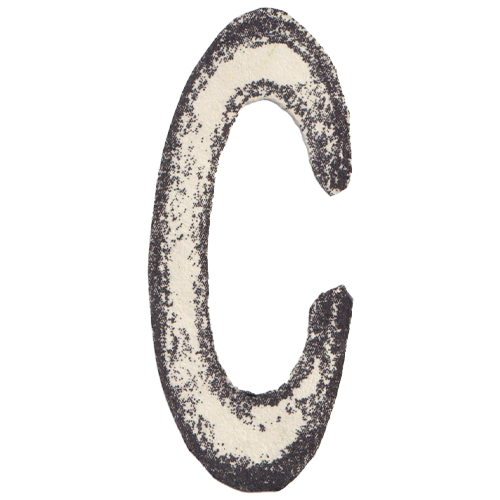
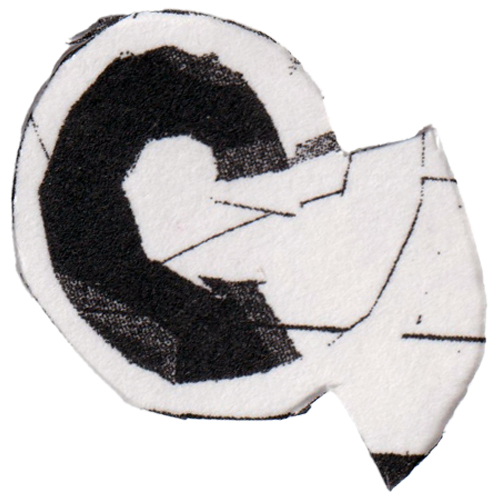
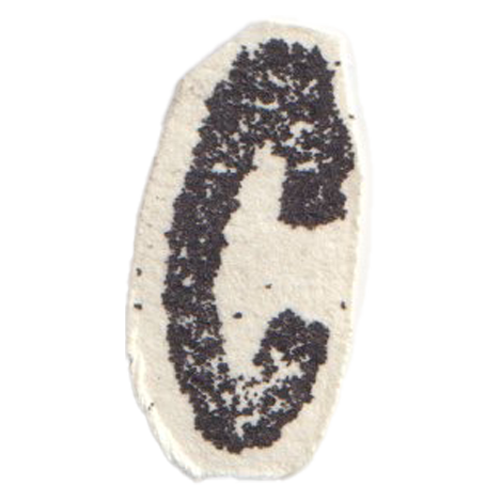
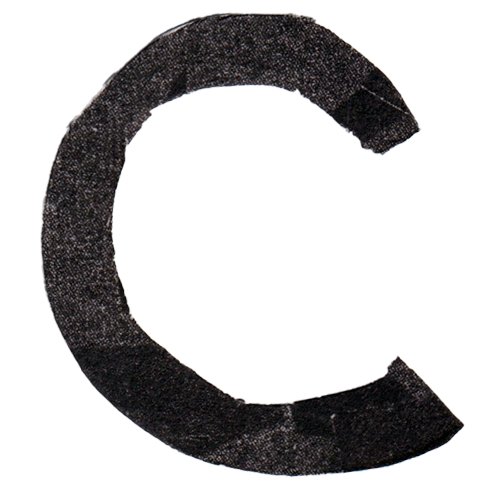
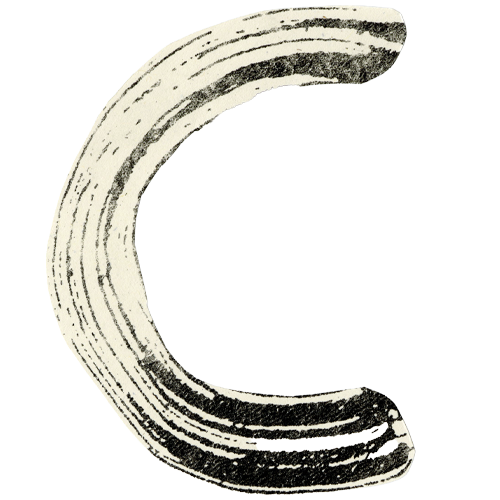
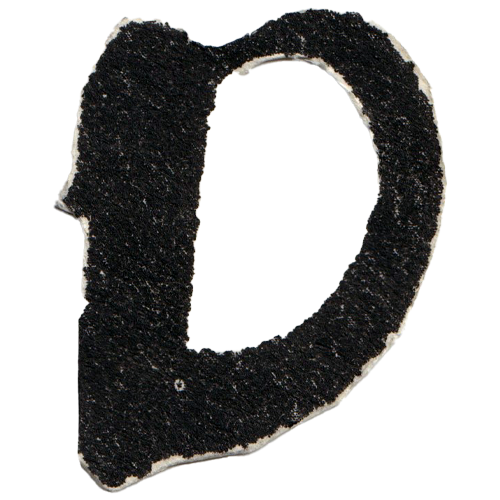
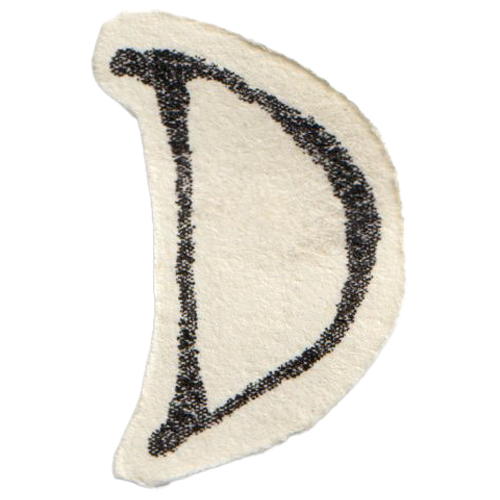
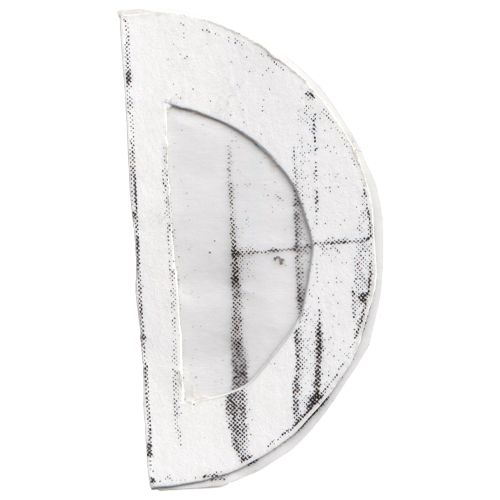
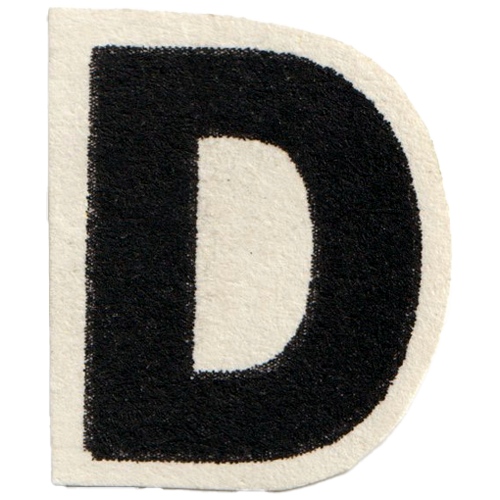
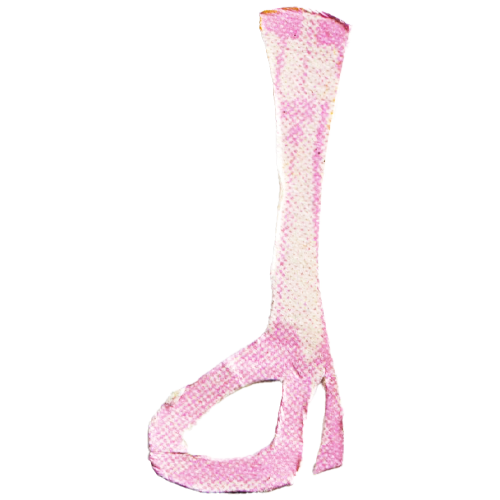
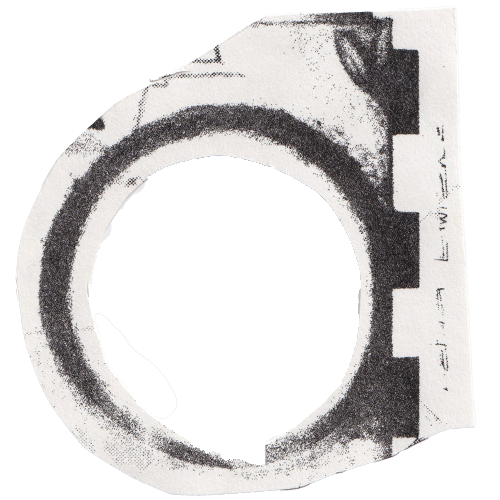
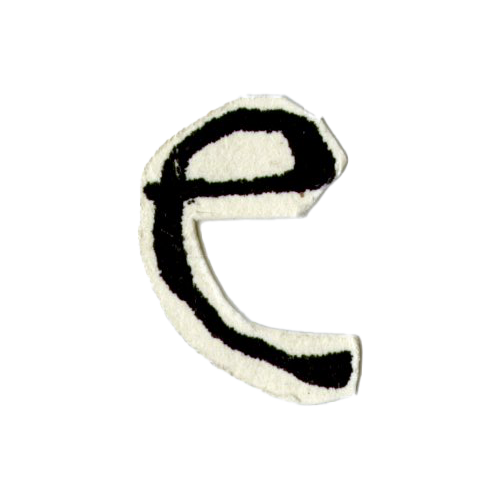
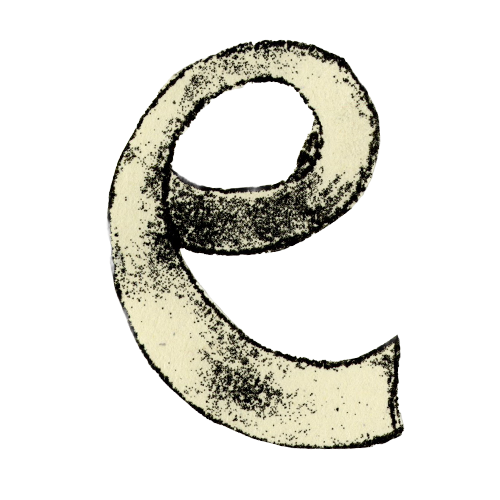
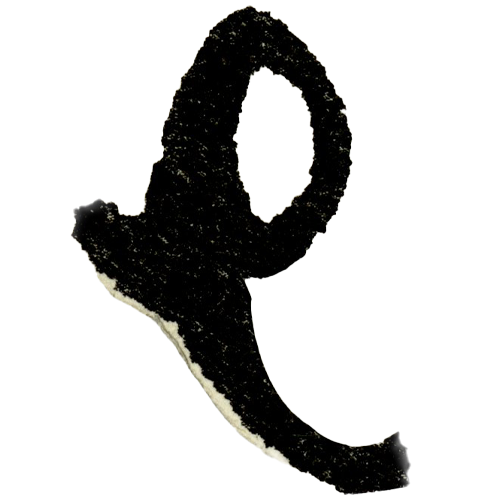
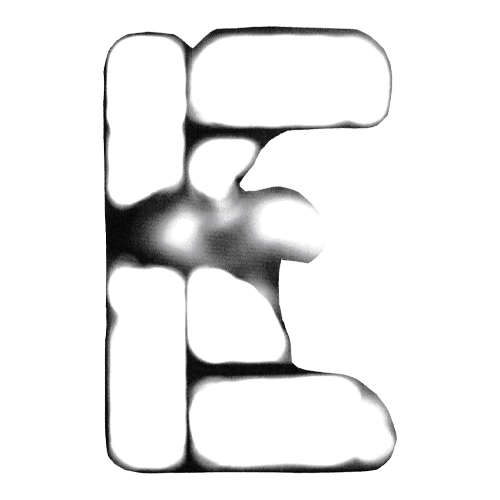
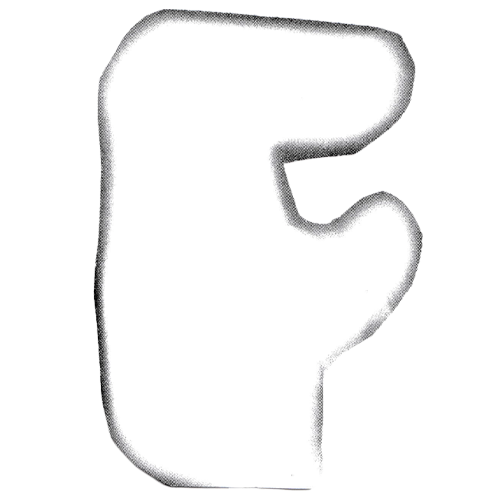
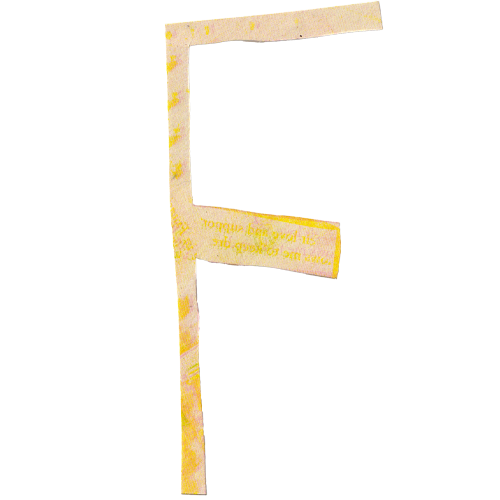
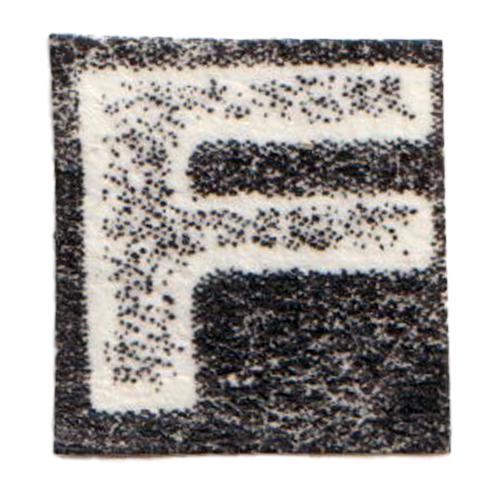
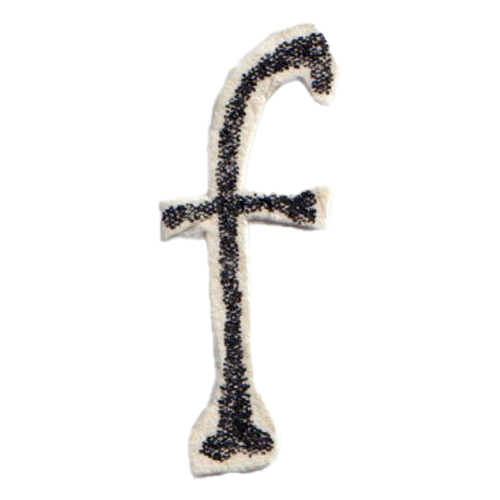
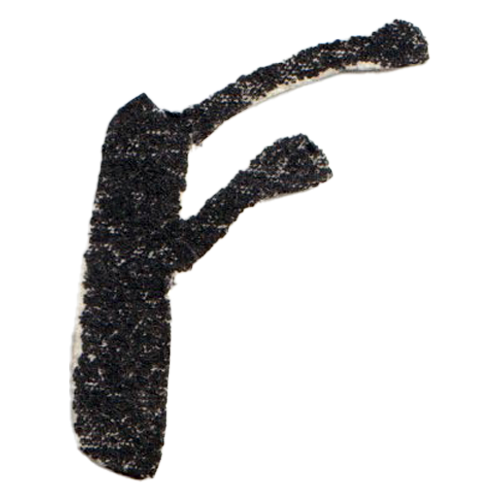
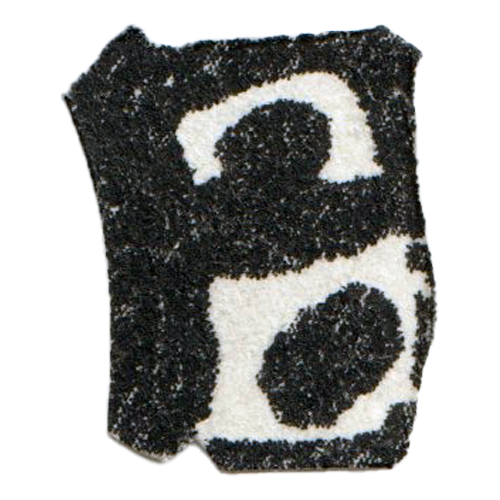
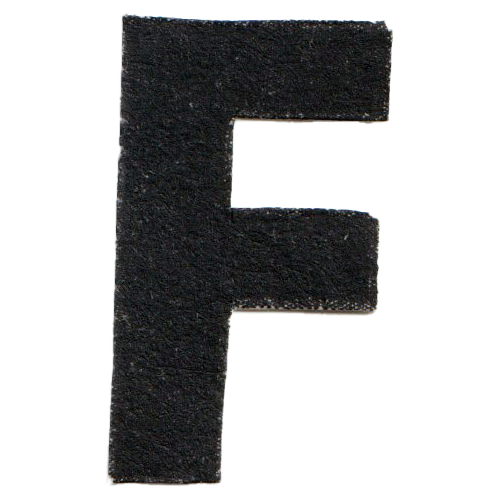
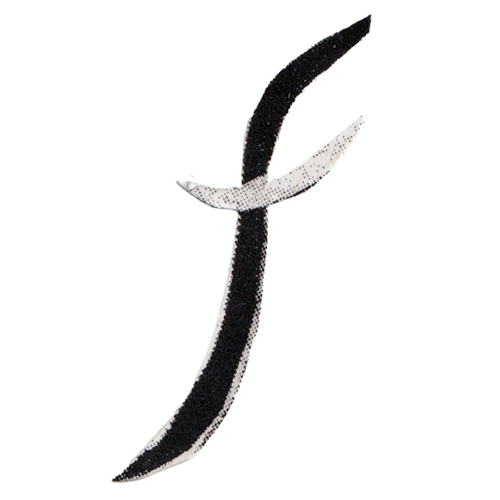
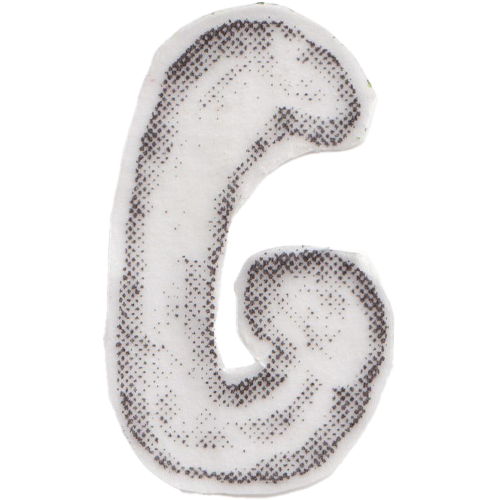
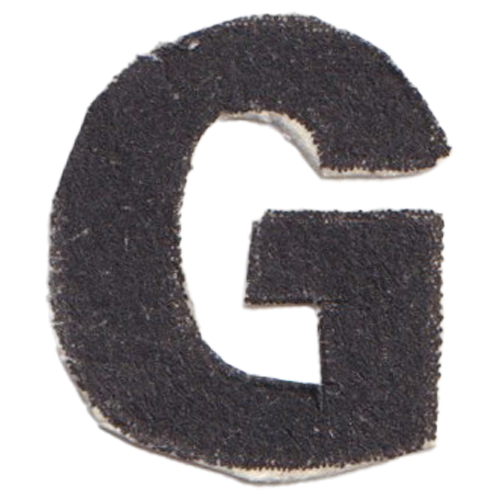
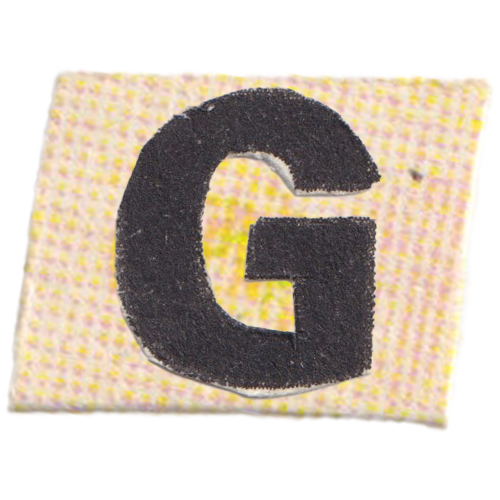
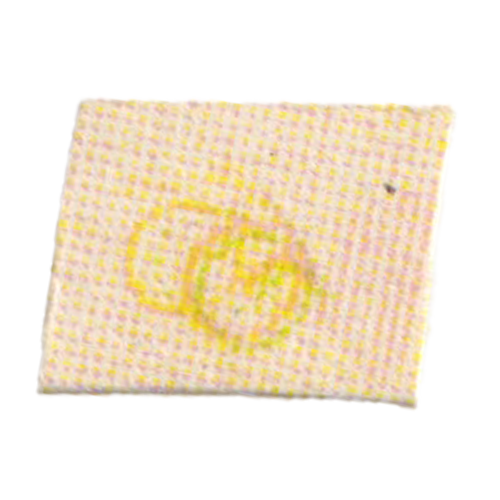
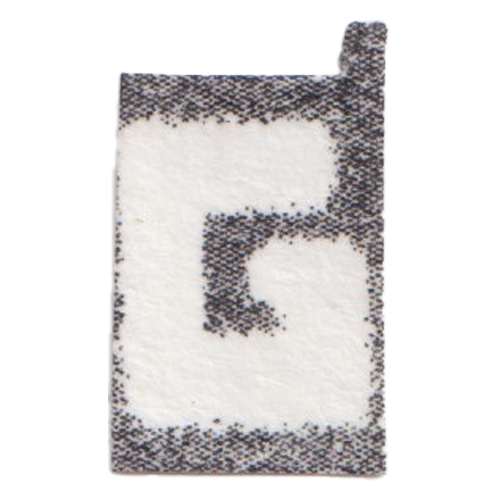
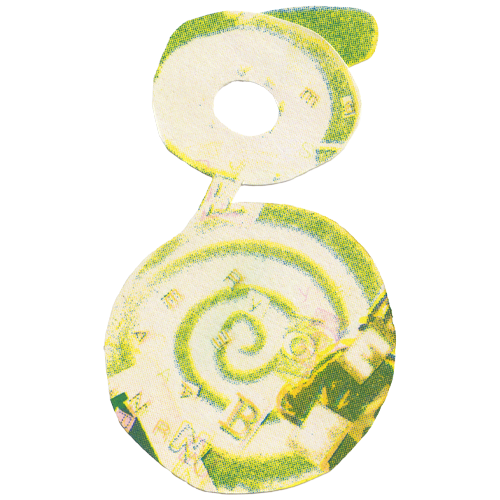
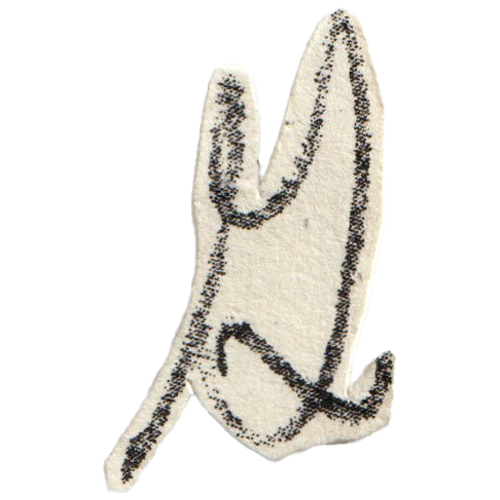
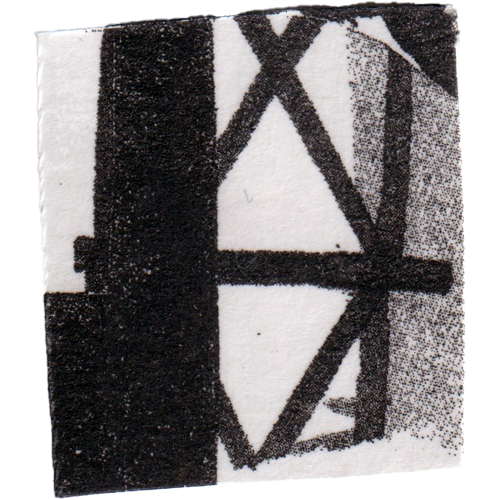
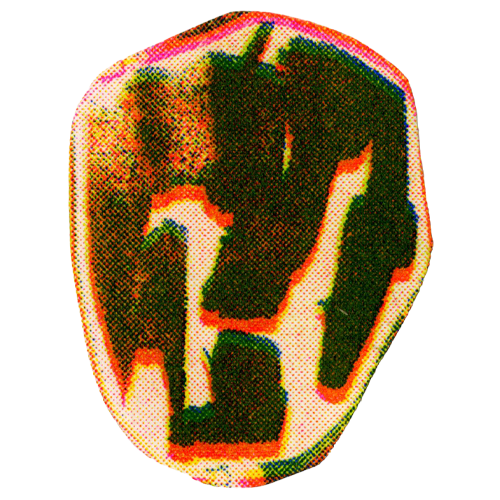
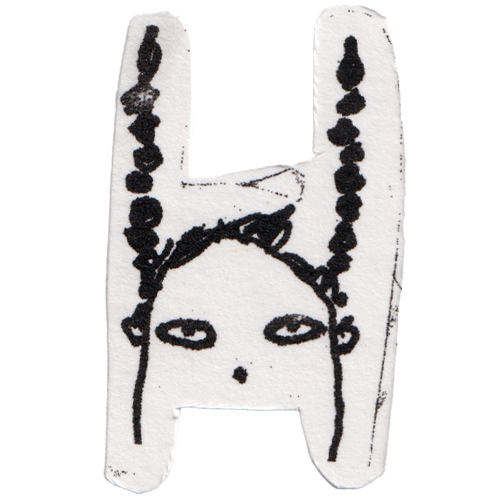
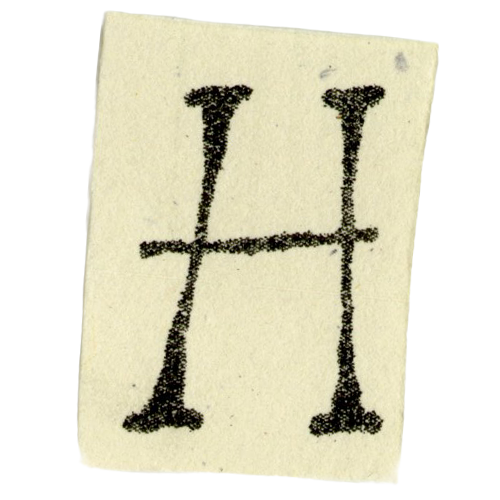
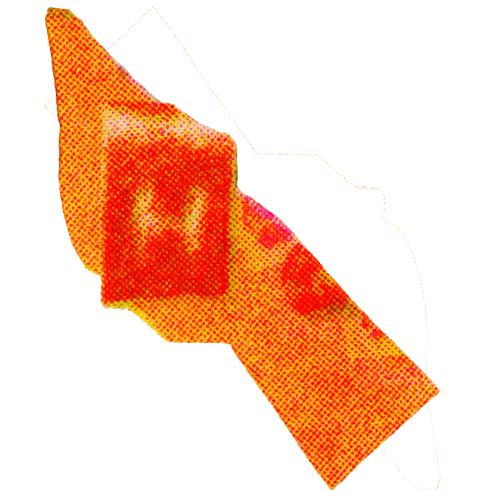
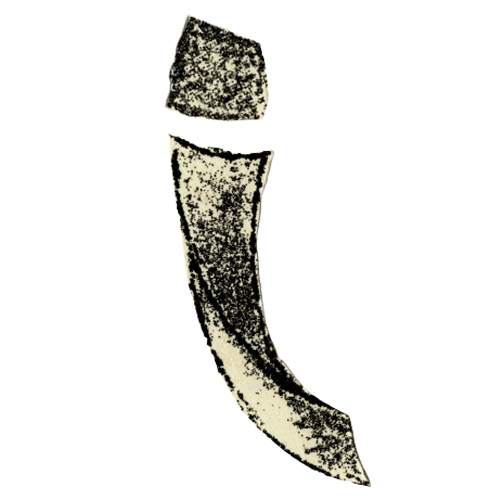
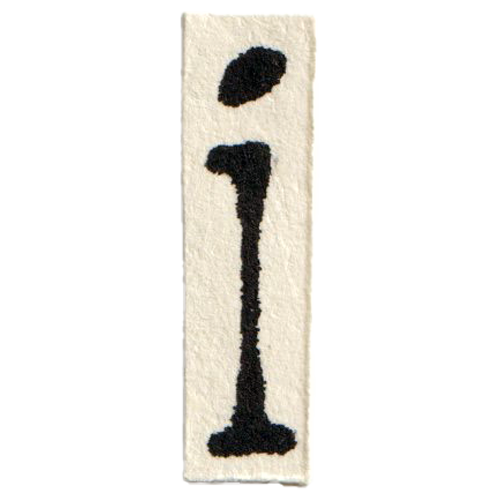
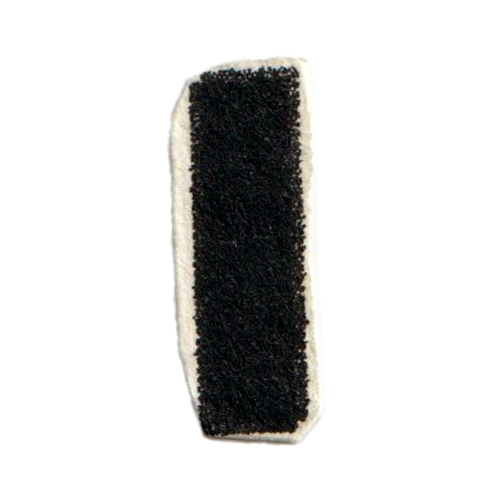
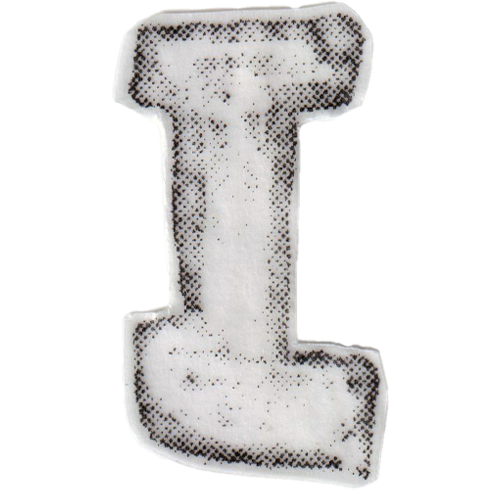
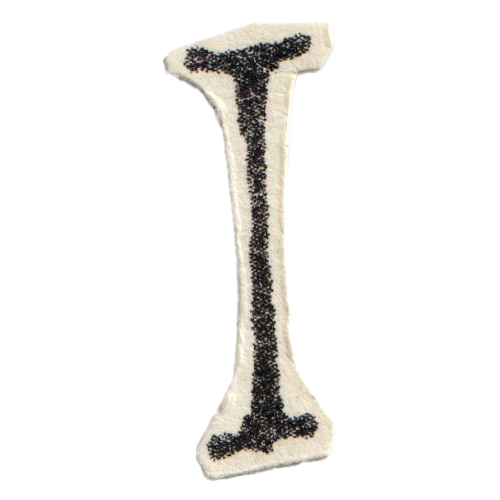

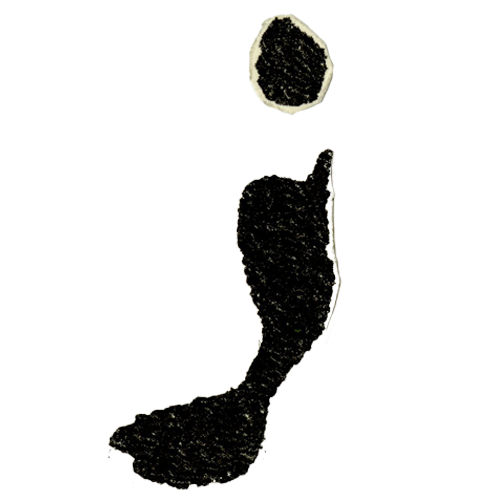
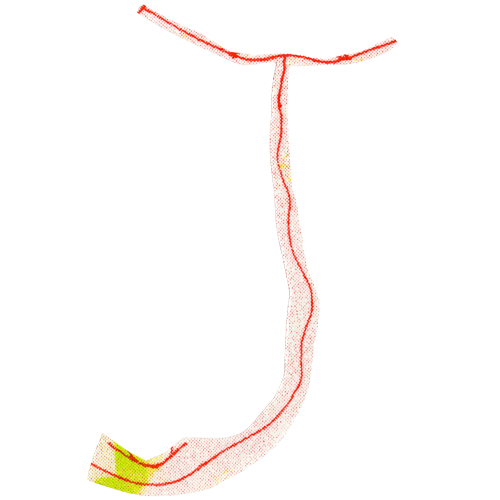
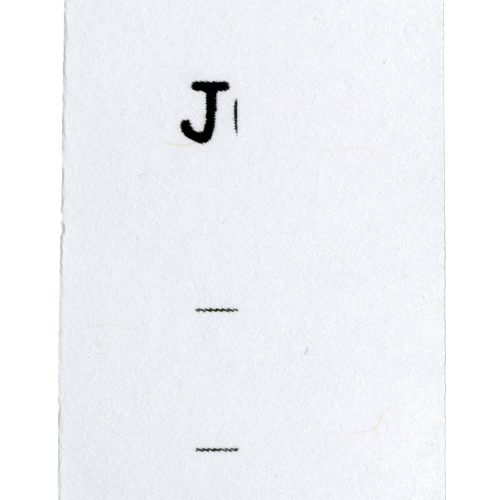
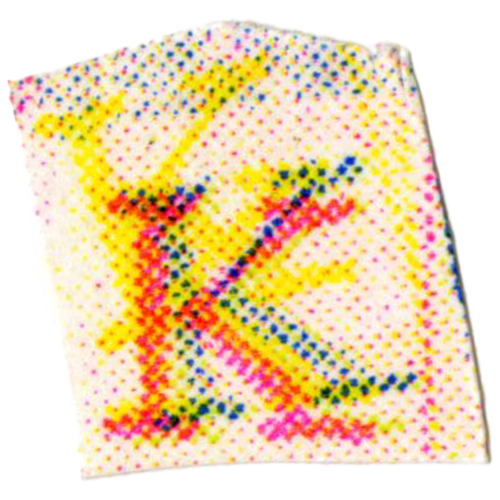
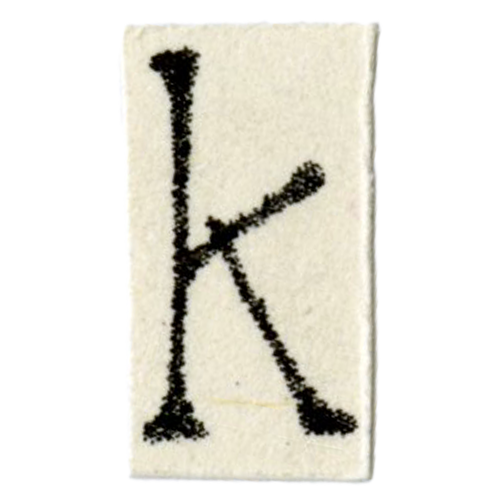
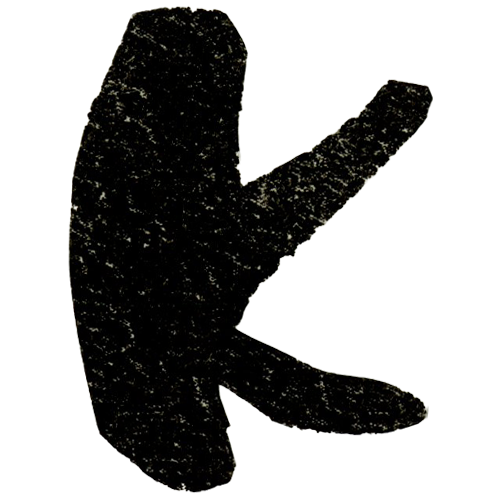
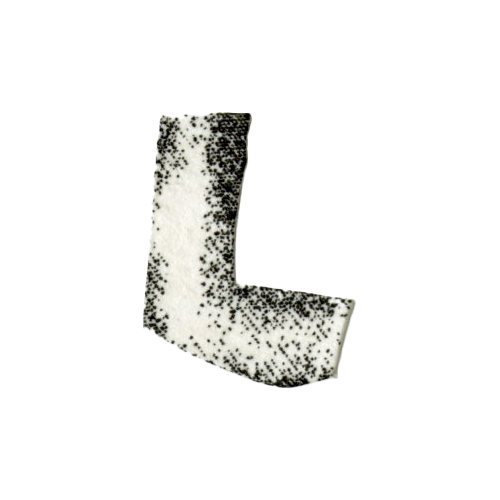
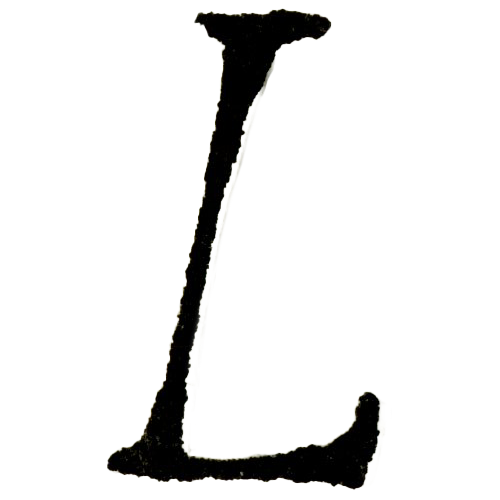
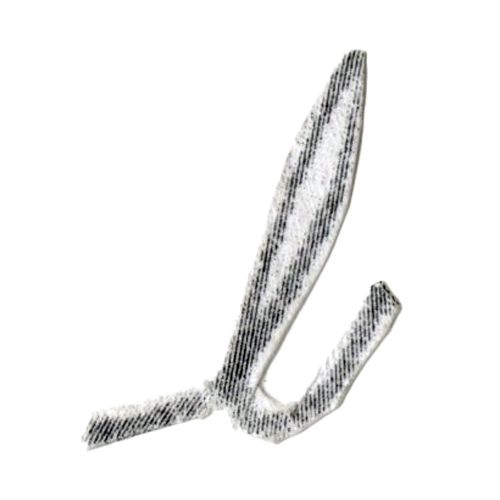
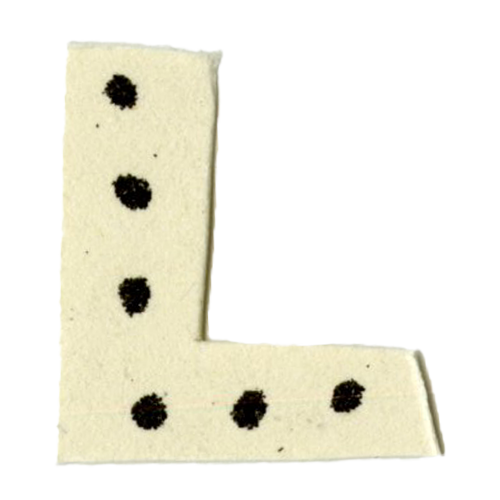
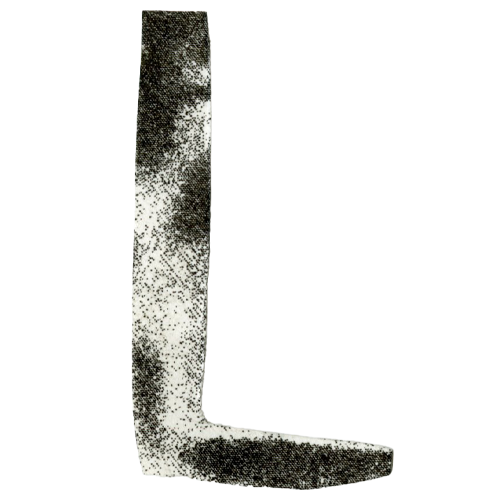
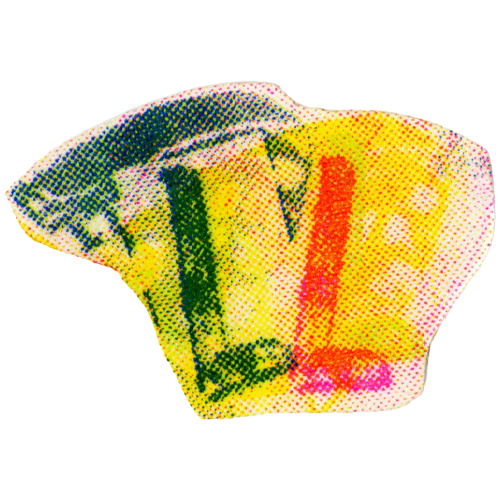
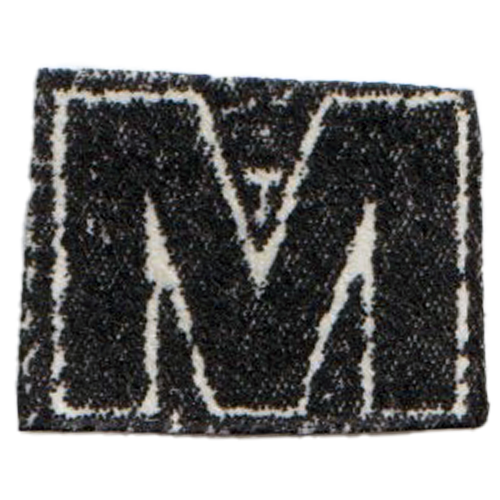
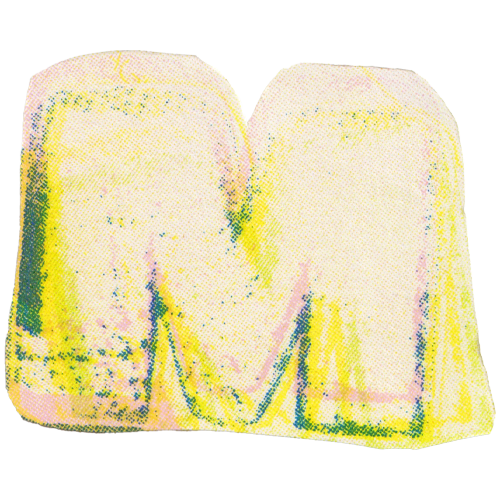
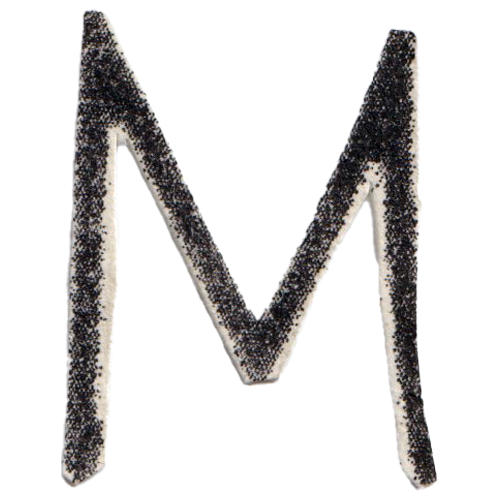
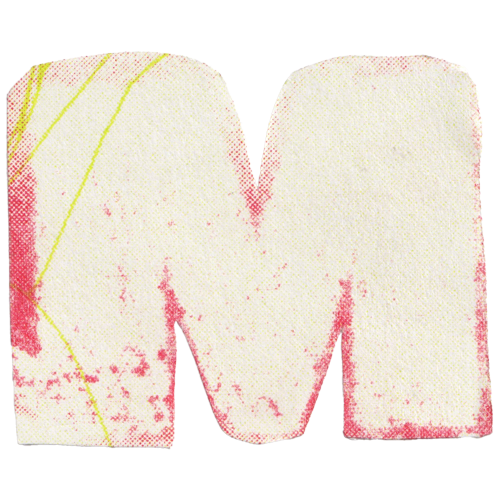
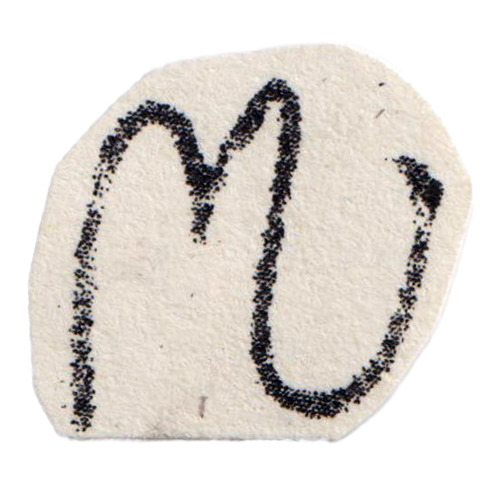
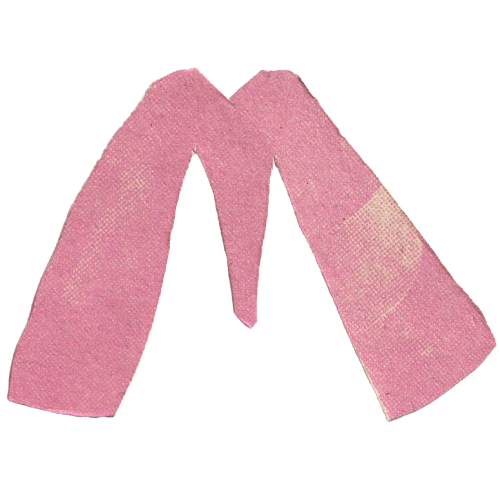
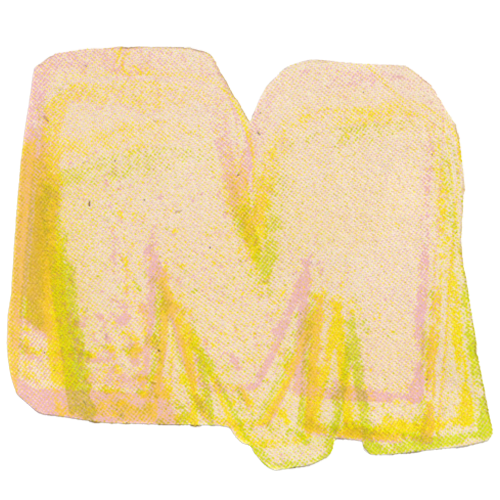
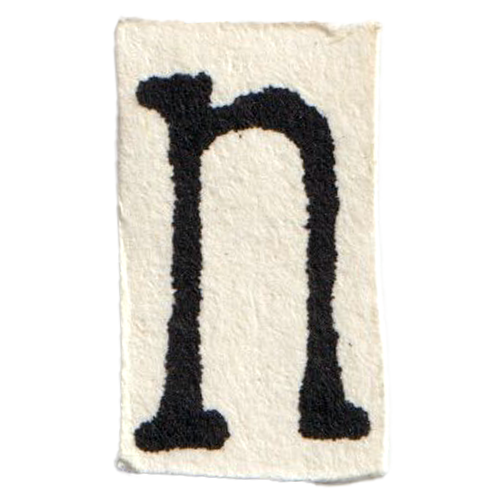
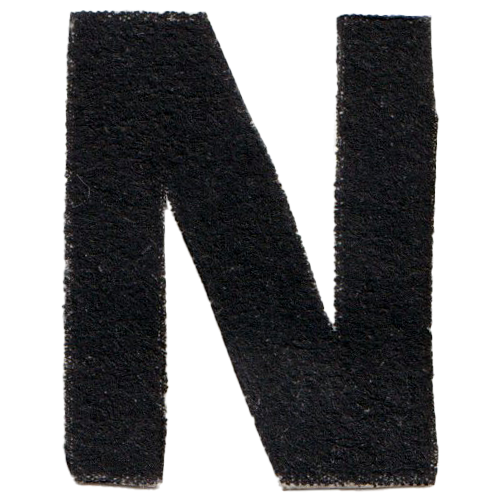
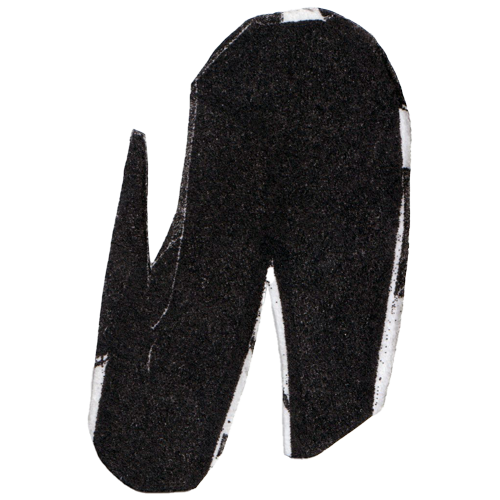
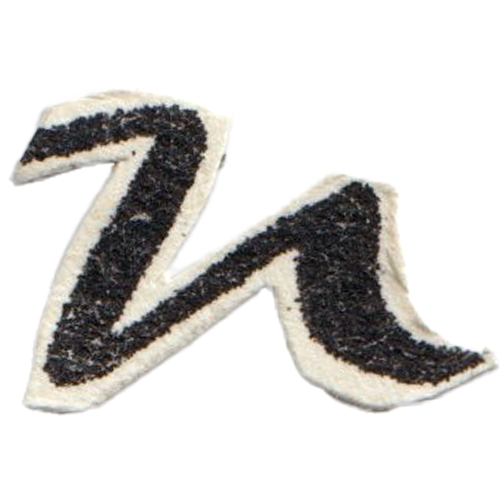
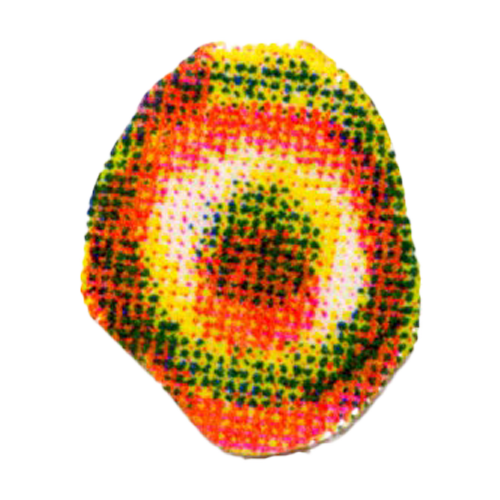
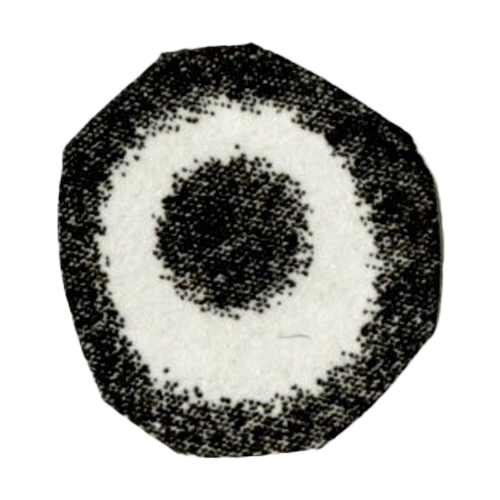
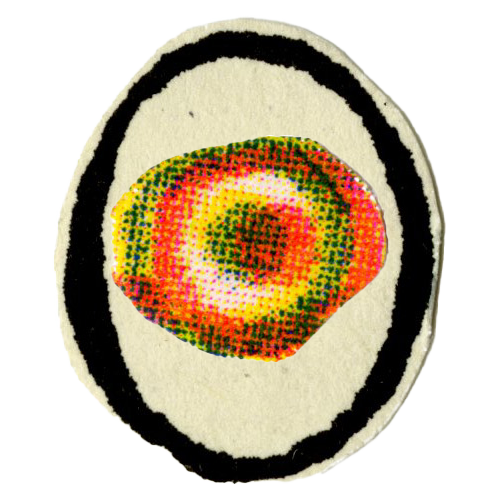
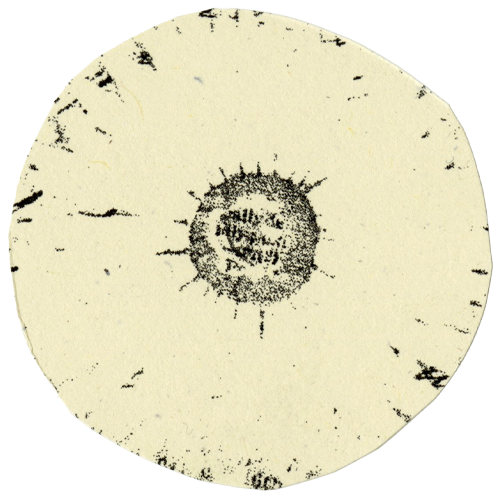
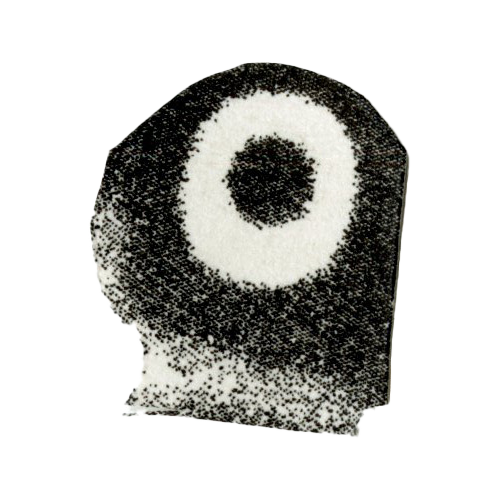
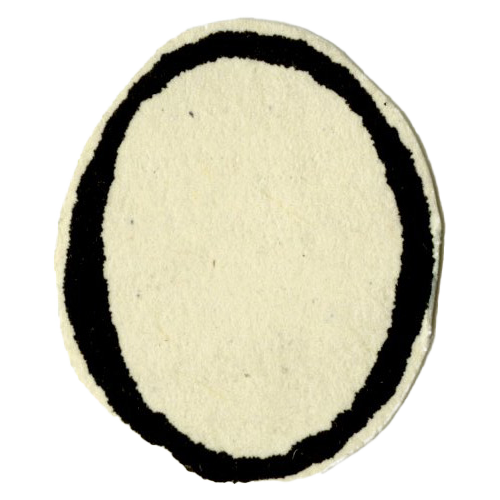
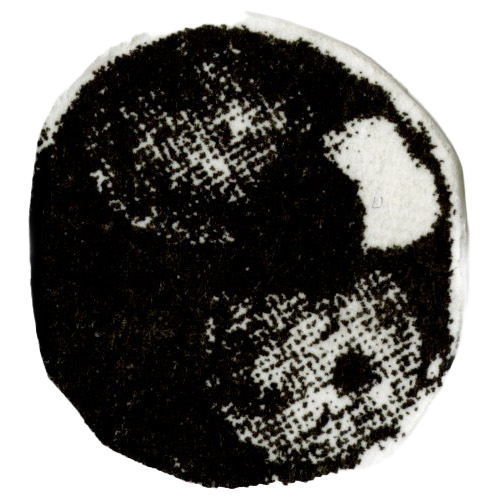
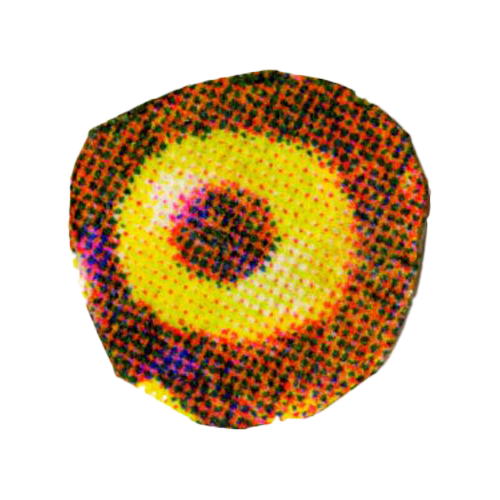
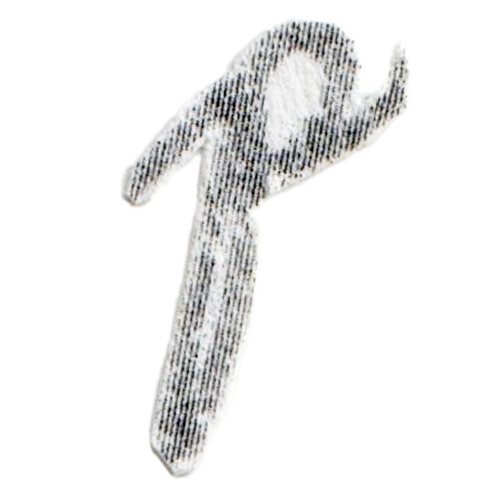
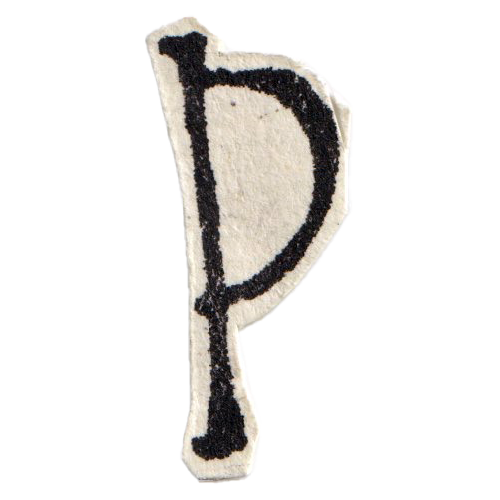
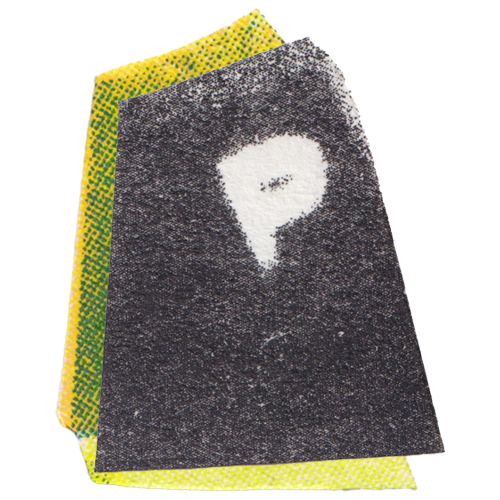
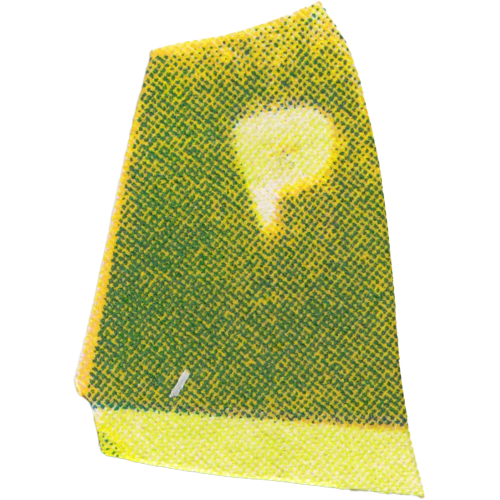
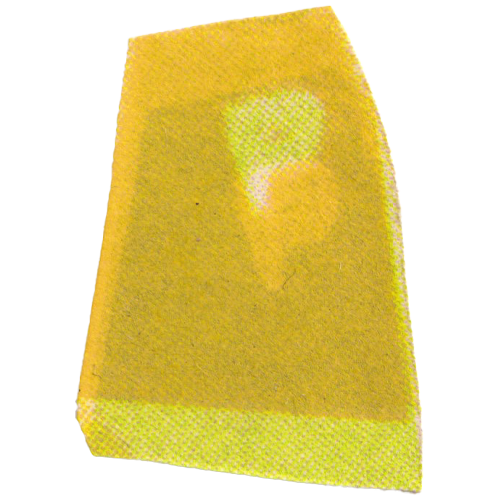
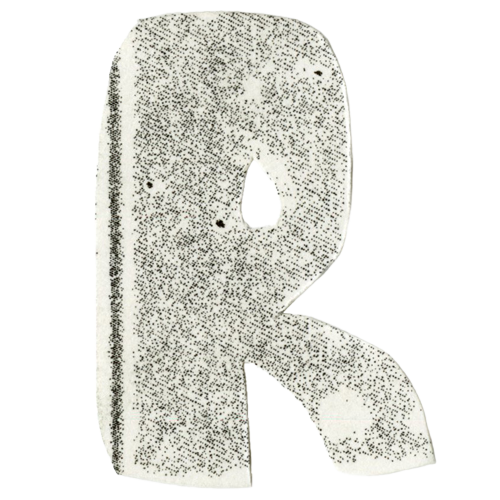
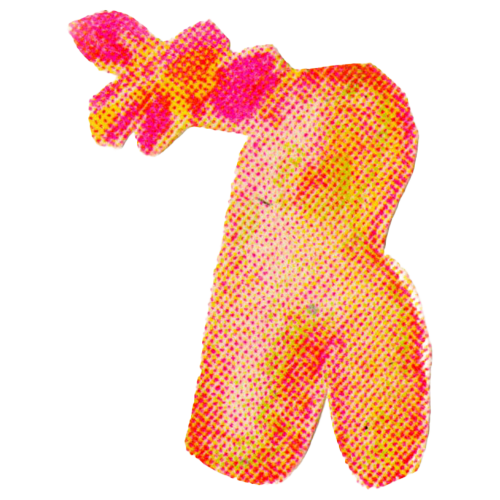
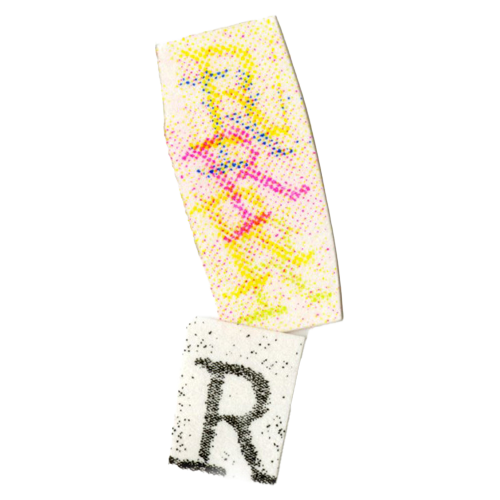
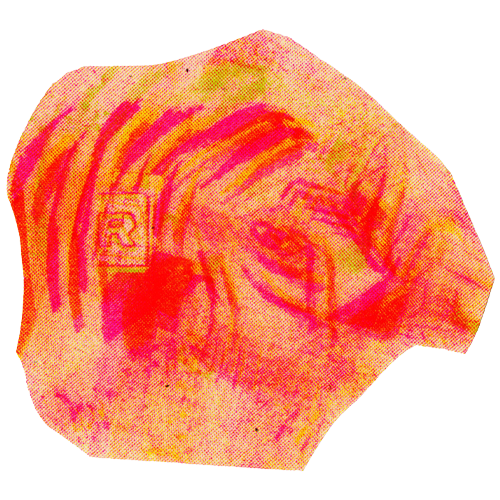
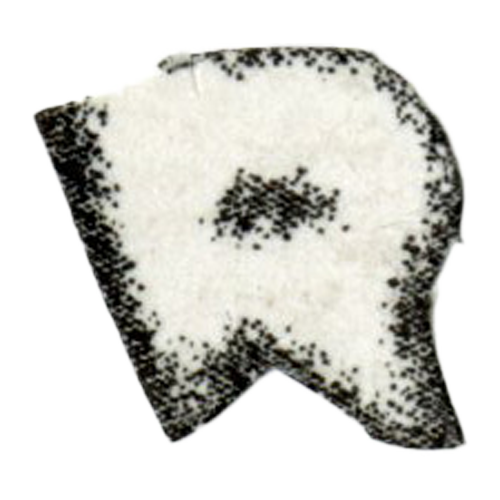
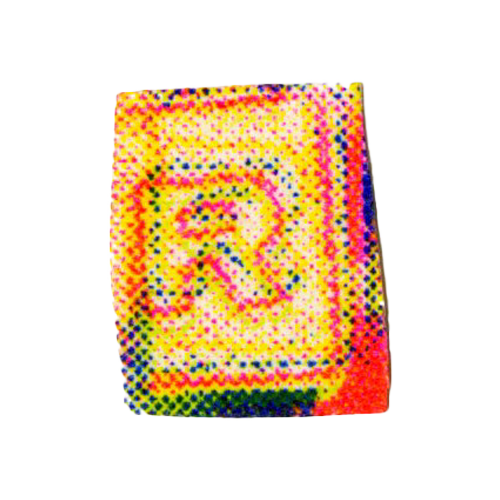
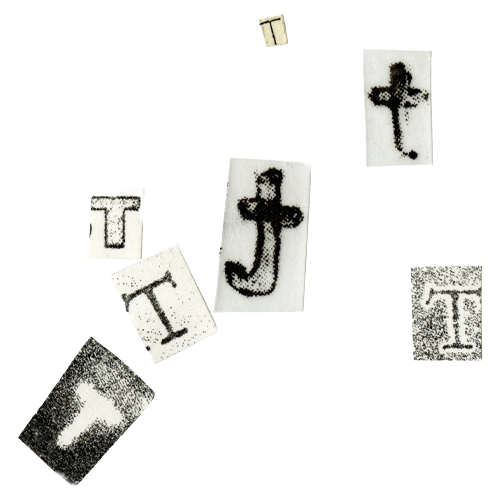
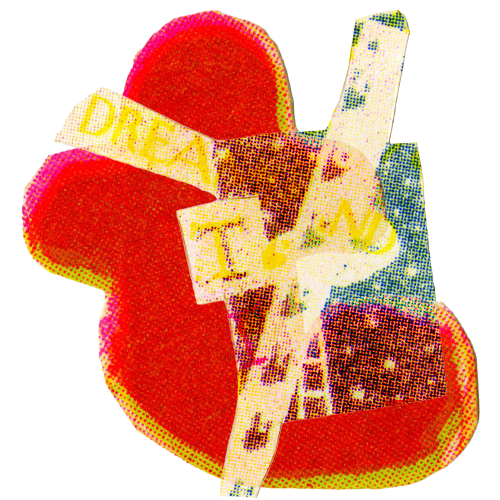
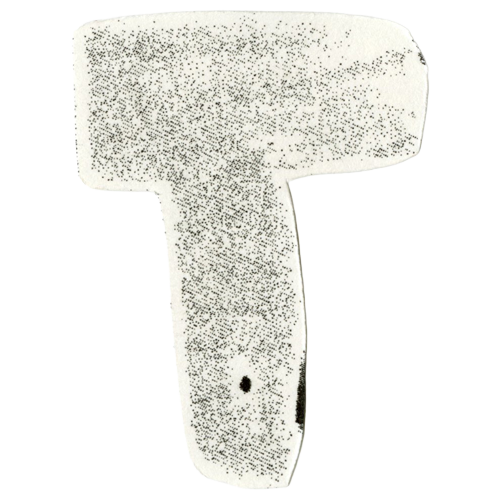

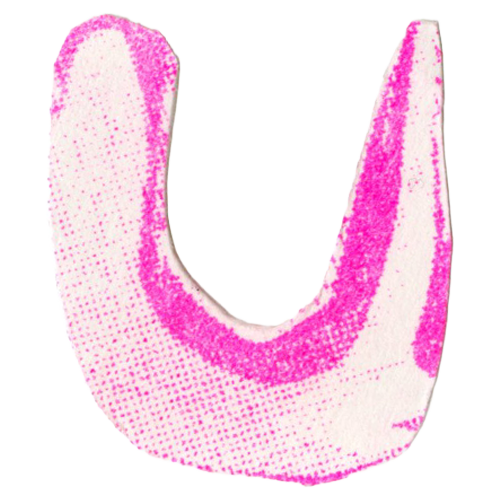
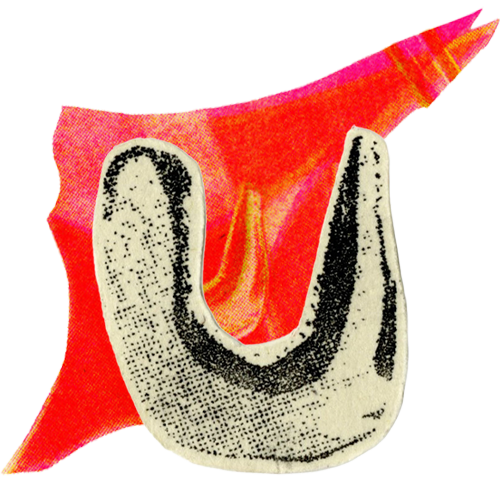
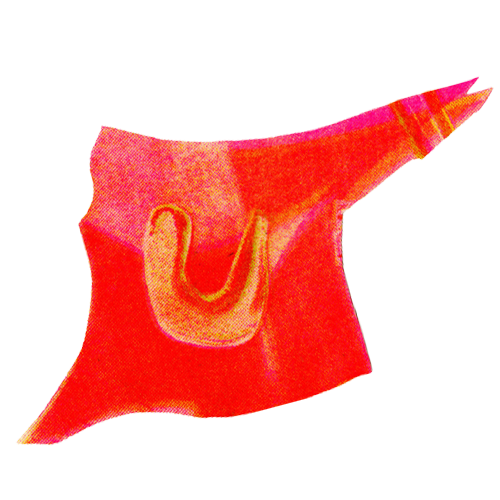
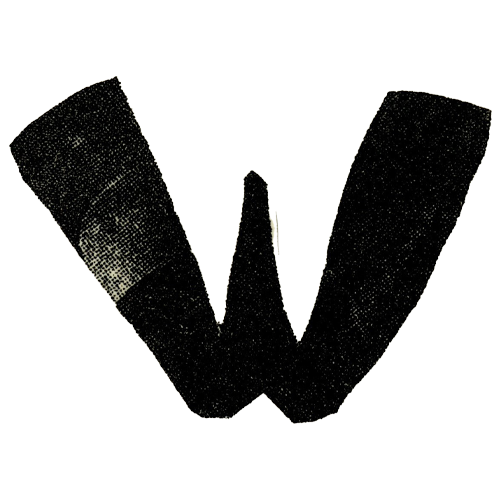
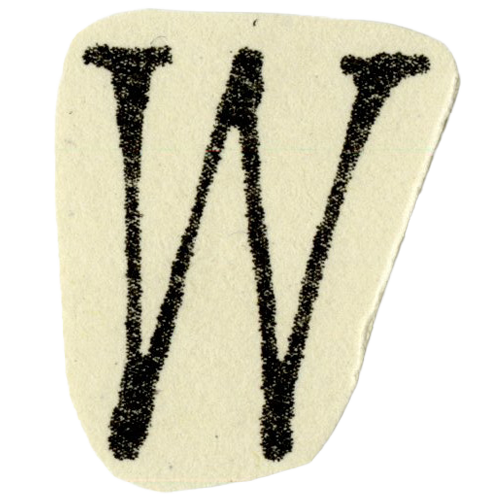

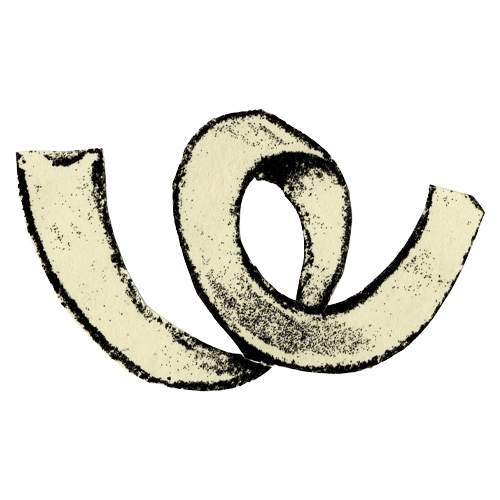
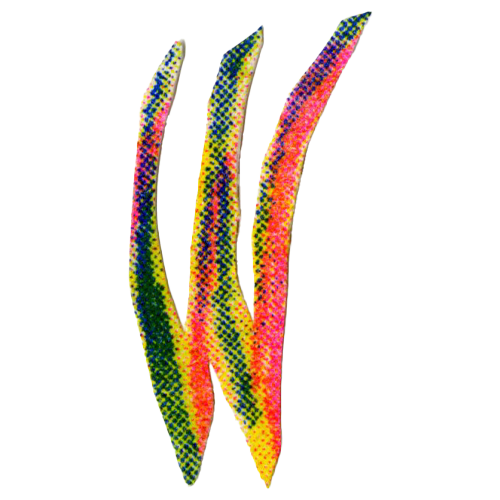
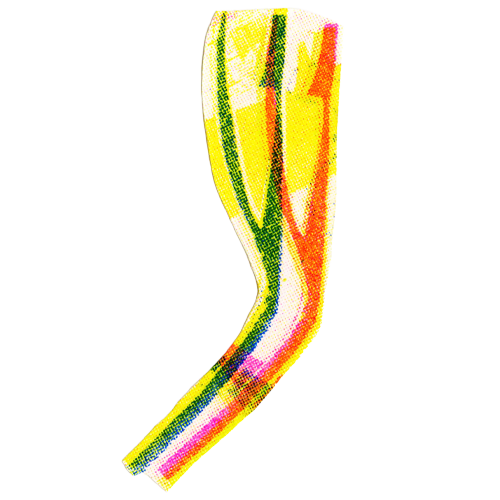
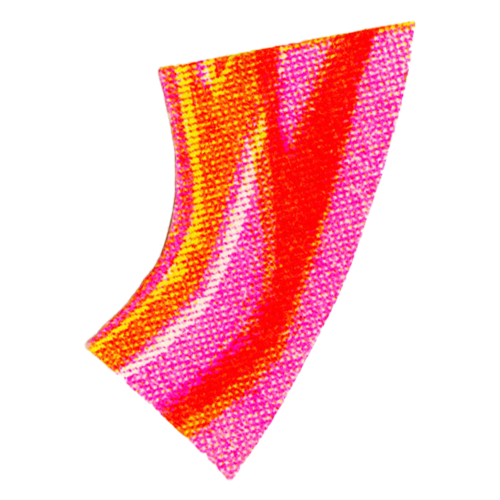
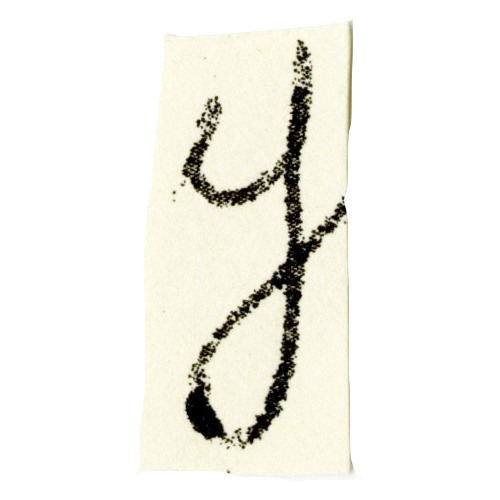

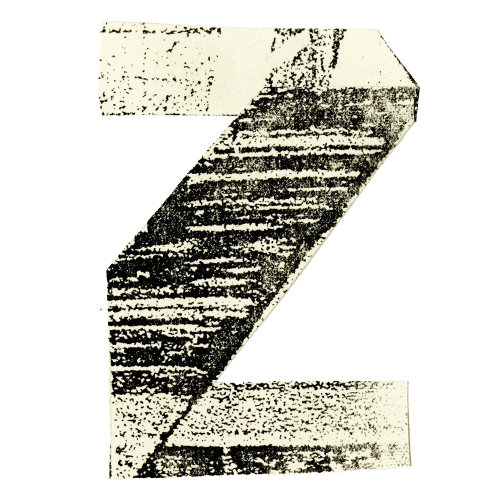
Through this process, I discovered how slow and engaged making deepened my awareness, helping me regain the childlike, exploratory modes of consciousness that we tend to lose as we age and that nurture our creative instincts.
Drawing on philosophy from the Surrealist and Dada movements, designers can view themselves as explorers and researchers, prioritizing discovery over invention. This would allow designers to accept unpredictable states as a way to let the creative process breathe and evolve.
obstacles preventing playful exploration
unsafe
unstable
uncertain
uncomfortable
opportunities derived from playful exploration
unforeseen discovery (comfort working with the unknown)
identity formation (authorship, personal values, visual aesthetics, etc)
play (comfort with experimenting)
References
Csikszentmihalyi, M. (1996). Creativity: Flow and the psychology of discovery and invention. HarperCollins. https://inspiredbyislam.wordpress.com/wp-content/uploads/2022/08/creativity-flow-and-the-psychology-of-discovery-and-invention-mihaly-csikszentmihalyi-z-lib.org_.pdf
Gopnik, A. (2009). The philosophical baby : what children’s minds tell us about truth, love, and the meaning of life (First edition). Farrar, Straus and Giroux.
Newport, C. (2024). Slow Productivity. Portfolio Penguin.
Polanyi, M. (1966). The logic of tacit inference. Philosophy, 41(155), 1–18. https://www.jstor.org/stable/3749034
Toppins, Aggie. Thinking through Graphic Design History: Challenging the canon. London: Bloomsbury Visual Arts, 2025. Accessed March 30, 2026. http://dx.doi.org/10.5040/9781350327245.